In today’s industrial market, land value is defined not just by location, but by how effectively a site is planned.
Shifting tenant demand, evolving site constraints, and capital sensitivity require deeper upfront analysis. Owners and developers need clear insight into what a site can realistically support from a design, cost, and constructability standpoint. ARCO’s design-build approach helps clients evaluate sites with precision and align development strategies with current market conditions.
Preconstruction Considerations
Effective site planning begins with thorough preconstruction efforts. As a true partner in the development process, ARCO provides clarity, alignment, and confidence from day one by evaluating what a site can realistically support before design advances.
ARCO’s comprehensive preconstruction services help owners assess sites through detailed feasibility analysis, environmental review, and cost implications. Understanding what can be built and what it will cost is critical in today’s capital-sensitive environment.
ARCO’s preconstruction approach includes environmental assessments to determine remediation requirements, geotechnical reports that identify soil conditions and foundation implications, and zoning reviews to confirm intended use and uncover potential entitlement challenges. The team evaluates site utilities to verify water, sewer, gas, and electrical capacity, and conducts full constructability analyses to assess overall development suitability.
By integrating these evaluations early, owners gain a clear understanding of risk, cost exposure, and development constraints before committing significant capital.
Site Plan Development: Aligning Land with Market Trends
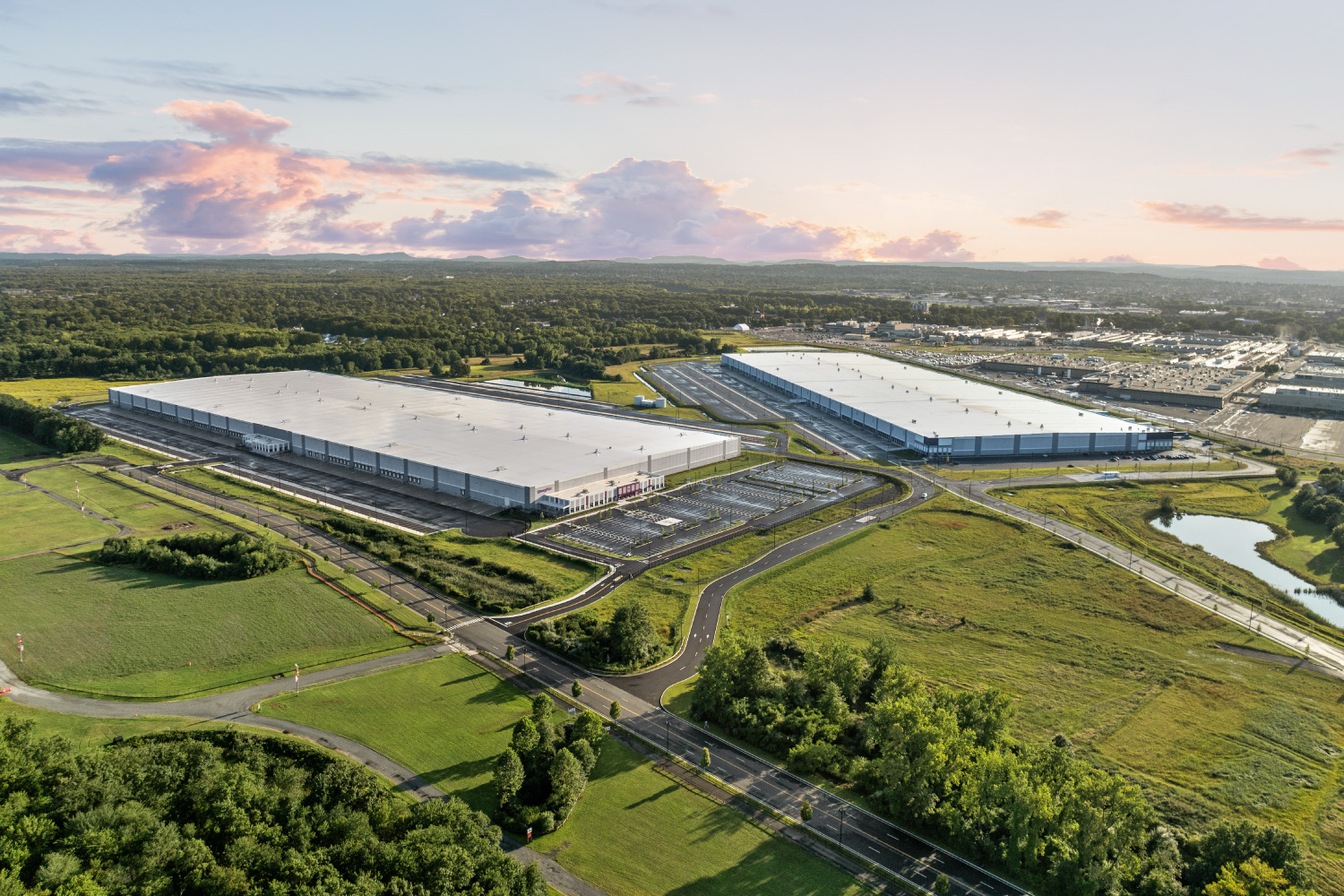
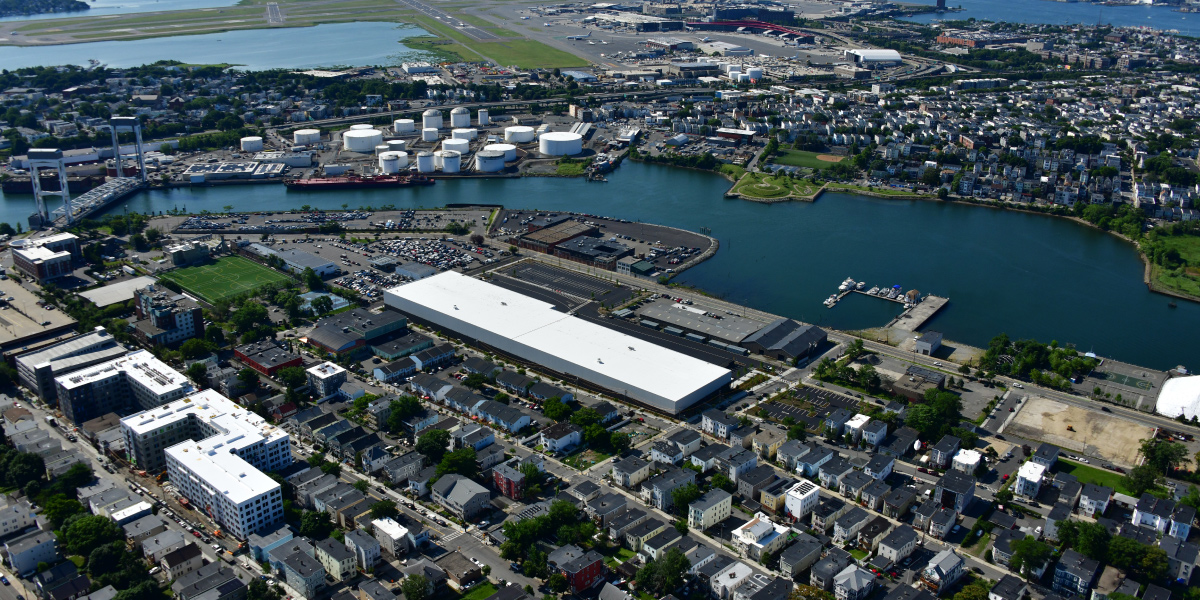
As a design-builder, ARCO works alongside developers, owners, and brokers to determine the best overall use of a site based on current market conditions and long-term performance. The objective is not simply to fit a building on a parcel, but to identify the configuration that drives the strongest return and lease strategy.
Early in the process, ARCO models multiple site configurations and provides corresponding cost implications for each scenario. This allows stakeholders to compare options with real budget data, not assumptions. Layout decisions are informed by how the site will perform financially and operationally.
Each site plan is evaluated against market demand, target tenant profiles, access and circulation patterns, parking requirements, and overall construction feasibility.
Market expectations have shifted significantly in the last five years. Parking ratios have increased, smaller tenant bays are more common, and flexibility is critical. Site planning must reflect these shifts to ensure developments remain competitive in the current industrial landscape.
Tenant Demand is Reshaping Land Strategy
Industrial land strategy has evolved in response to both market and tenant demand changes. During the COVID-driven surge, developers prioritized maximizing building footprint. The subsequent build-to-suit wave emphasized highly customized operational planning. Today’s market favors flexibility and accommodations for smaller users.
Demand is growing among 20,000 to 100,000 square-foot users, including contractors, trade users, and last-mile operators. These tenants often require higher parking ratios, stronger car circulation, multiple access points, and adaptable building depths rather than oversized truck courts.
Developments with sites designed around these requirements typically lease faster than those built solely around single large footprints, as they better reflect how modern industrial users operate and scale.
Maximizing Sites for Small Bay & Multi-Building Configurations
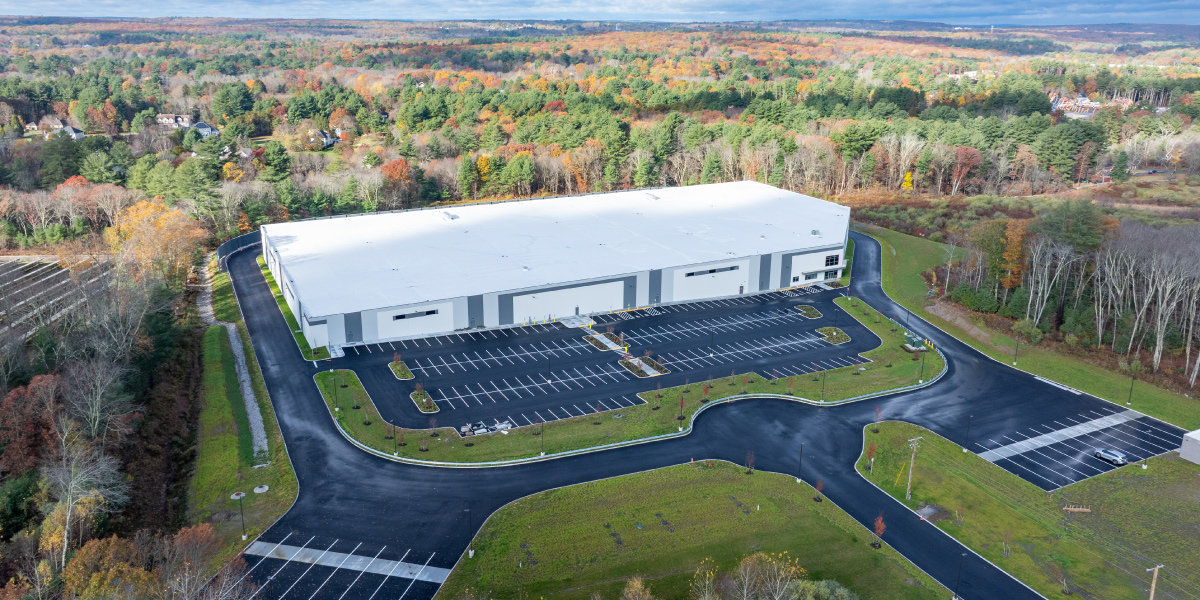
In today’s market, multi-tenant and multi-building configurations have become the prevailing development model, largely driven by evolving tenant demand. Rather than prioritizing maximum building square footage for a single user, owners are increasingly focused on lease velocity and long-term adaptability.
Evaluating whether a site supports multi-tenant buildings, standalone smaller facilities, or a hybrid spec and build-to-suit approach requires early coordination between design and construction teams. Phased development capability, enhanced curb appeal, and flexible demising strategies often improve performance and absorption.
Early planning ensures the site can adjust to market demand rather than be constrained by it.
Designing for Multi-Tenant Flexibility
ARCO provides developers and owners with expert guidance on incremental facility upgrades that maximize long-term flexibility and leasing performance. Rather than designing for a single tenant scenario, ARCO plans buildings that can adapt as tenant demand shifts.
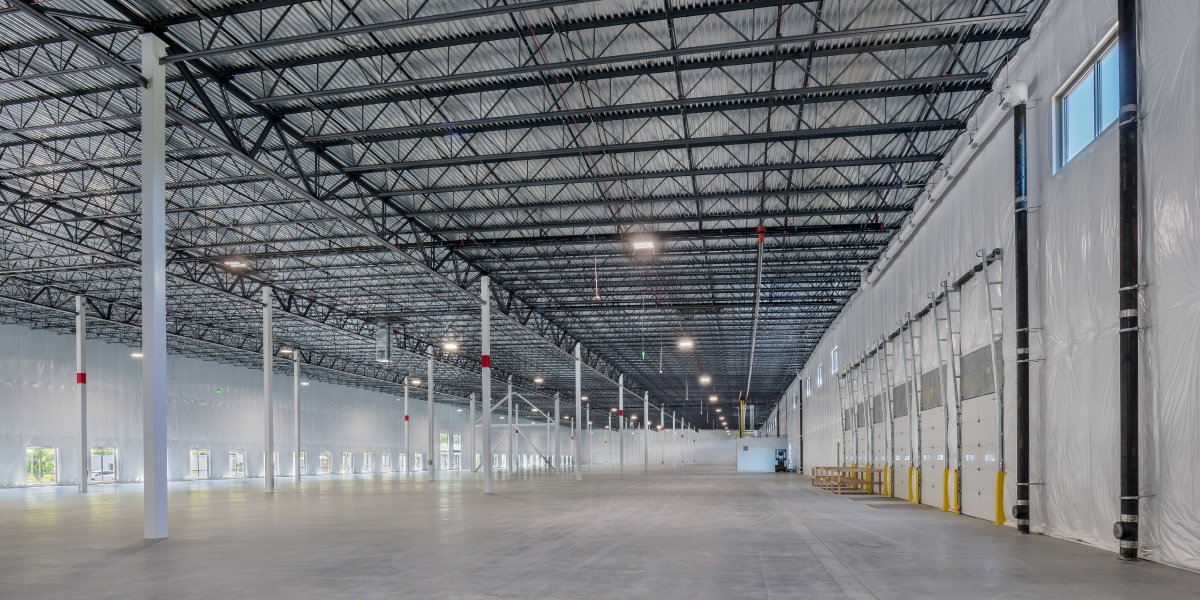
This includes incorporating knock-out panels for future dock doors, designing convertible dock-to-drive-in positions, planning for separate utility metering, and strategically laying out demising walls to accommodate multiple suite sizes. These features are evaluated and integrated during initial design, when they are most cost-effective to implement.
Integrating flexibility features into a facility results in reduced tenant improvement costs and faster leasing due to decreased time on retrofit, as well as the ability to easily accommodate a range of tenant sizes.
Construction Type Selection: How Site Constraints Drive Structural Decisions
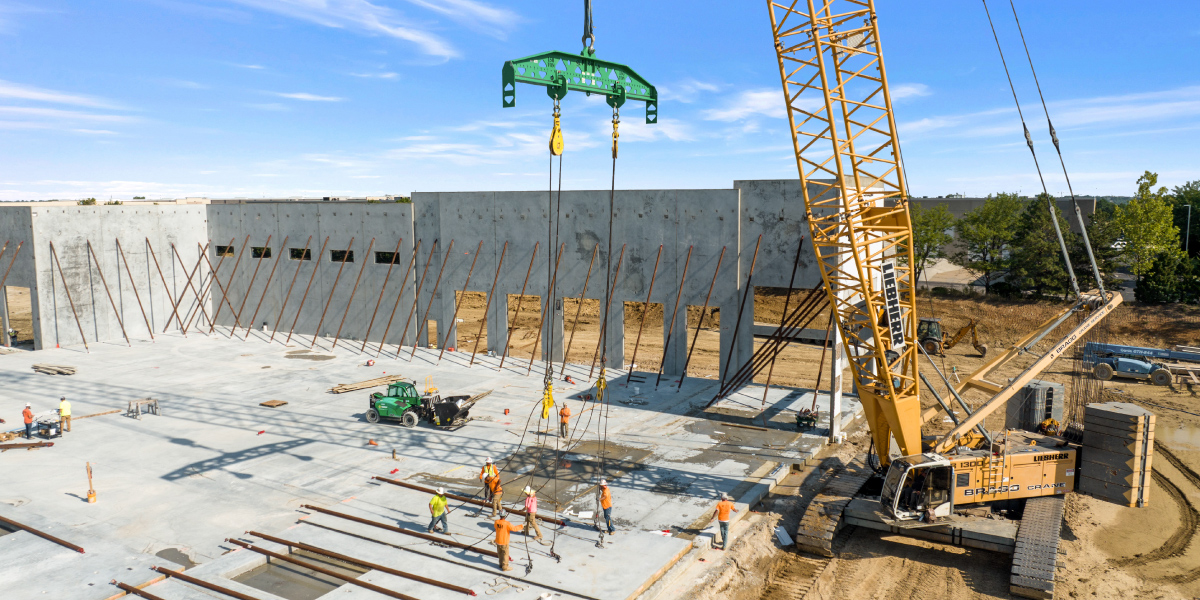
Site constraints directly influence structural strategy. Panelization access, crane logistics, weather exposure, and schedule requirements all factor into the decision between tilt-up and precast systems. ARCO evaluates these factors early and provides guidance on building construction types from a cost-effective and functionality standpoint.
When evaluating tilt-up versus precast, tilt-up panels are cast on-site, which can reduce cost as building size increases and allow for greater design flexibility. Precast panels are manufactured off-site, making them advantageous in tight urban infill environments or winter conditions and enabling faster vertical erection once delivered.
Pre-engineered metal buildings (PEMB) offer advantages in speed and upfront cost in certain markets. They are efficient for smaller footprints and can be erected quickly, making them well-suited for 15,000 to 40,000 square-foot standalone or shallow bay projects, cost-sensitive developments, and quick-turn speculative builds.
Selecting the right system early protects schedule, controls cost, and avoids downstream redesign.
The Design-Build Difference
Under ARCO’s design-build approach, site planning and subsequent cost modeling can occur in a project’s earliest stages. Our team can provide real-time budget insights to inform site layouts and building designs.
Our integrated approach ensures constructability drives design efficiency from the outset. Because of ARCO’s extensive industrial experience, our team sees tenant demand shifts in real time and understands key considerations such as evolving parking ratios, truck court requirements, and leasing trends.
ARCO’s design-build approach provides a single point of responsibility, reduces risk, and accelerates project delivery, giving owners clarity and confidence from site evaluation through completion.
ABOUT ARCO NATIONAL CONSTRUCTION
ARCO National Construction is a premier, full-service design-build general contractor delivering industrial, commercial, and mission-critical facilities nationwide. With a single point of responsibility, ARCO integrates site selection support, preconstruction, architecture, engineering, and construction to provide cost certainty, accelerated schedules, and reduced risk. Its New England team brings deep regional expertise and market insight, helping developers and owners maximize site potential and long-term asset value.