
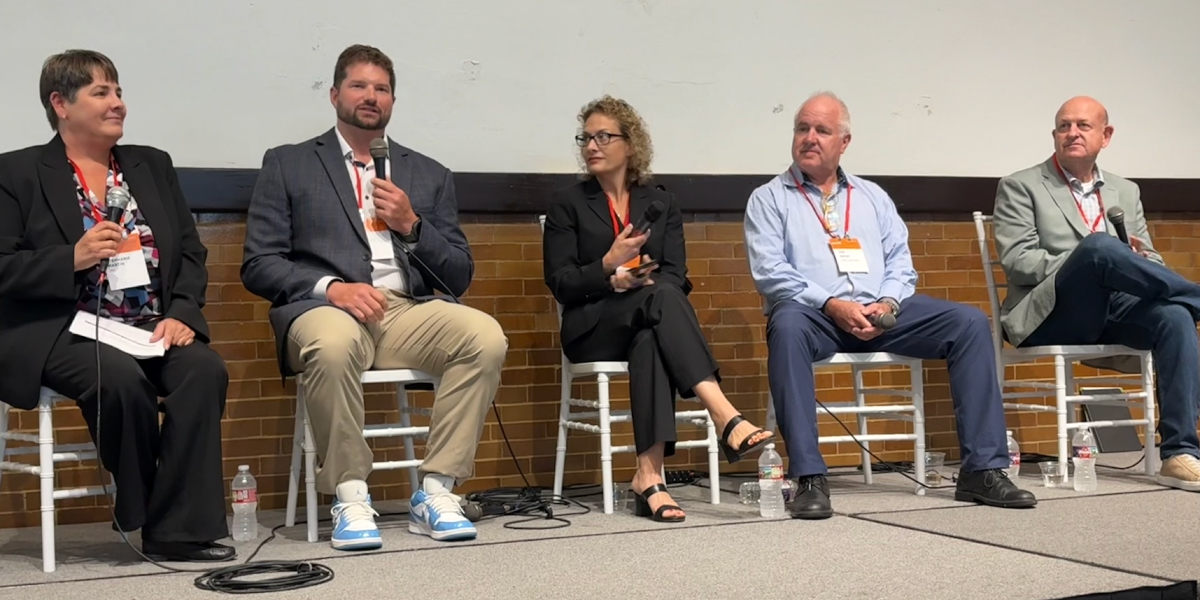
Sam Stahnke, Vice President and Operating Partner of ARCO National Construction’s Kansas City division, recently joined regional real estate leaders at the Bisnow Kansas City State of the Market. Sam participated in a panel focused on development, adaptive reuse, rising costs, and the business trends shaping downtown Kansas City and the broader metropolitan area.
The discussion reinforced Kansas City’s strong long-term development potential. Continued growth will depend on how effectively the region combines new construction, strategic redevelopment, experience-driven mixed-use destinations, and economic development incentives.
Kansas City Has Significant Capacity for Continued Growth
Kansas City’s geographic scale provides meaningful room for future development. Spanning approximately 325 square miles, the city offers opportunities for new construction while also benefiting from the strategic repositioning of existing properties.
Owners are converting obsolete office space, modernizing well-located buildings, and redeveloping aging retail assets to better align with current market needs. These projects can bring underutilized properties back into productive use while taking advantage of existing infrastructure and established locations.
At the same time, continued residential construction is introducing new density throughout the metro. This growth can support additional retail, dining, entertainment, and community uses, creating opportunities for thoughtfully planned mixed-use developments that respond to the needs of surrounding neighborhoods.
Mixed-Use Developments Must Provide Lasting Reasons to Visit
A growing residential base can help support mixed-use development, but retail alone may not generate the consistent activity these projects need to succeed. The strongest developments will create destinations that draw visitors throughout the day and encourage them to return.
Dining, entertainment, public spaces, events, and other experiential components can help generate sustained foot traffic while strengthening a development’s identity. When these elements are planned as part of a cohesive destination, they can also support tenant performance and contribute to long-term asset value.
Early coordination is particularly important for experience-driven projects. Parking, pedestrian circulation, utilities, acoustics, outdoor spaces, and construction phasing must all be evaluated alongside the desired tenant mix. Aligning these considerations during conceptual planning helps owners develop a project that is both engaging and operationally viable.
Incentives Remain an Important Competitive Advantage
Local incentives continue to play a critical role in Kansas City’s ability to compete for projects and investment. When applied strategically, these programs can help bridge the gap between achievable market rents and total development costs, improving the feasibility of projects that may otherwise be difficult to advance.
However, developers and businesses need a clearer understanding of how municipal incentives differ from state and federal opportunities. Eligibility requirements, approval processes, timing, and available benefits can vary significantly. Because these factors may influence site selection, financing, and project schedules, incentive strategies should be evaluated early in the development process.
Greater education and coordination among local agencies, state organizations, developers, and project teams can help businesses navigate available programs more effectively and reinforce Kansas City’s competitive position.
Kansas City Must Sustain Its World Cup Momentum
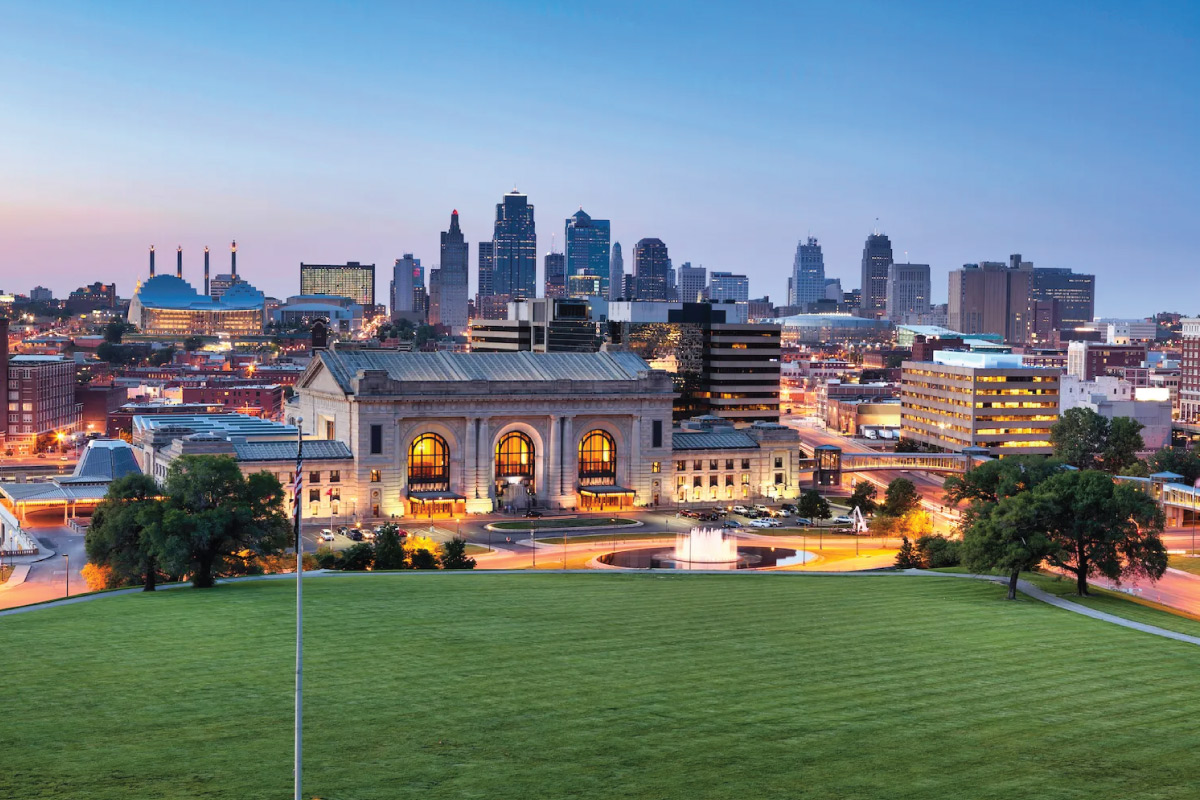
Hosting FIFA World Cup 2026 matches gave Kansas City the opportunity to present itself to a global audience. Visitors experienced the city’s energy, accessibility, hospitality, and development potential firsthand, creating momentum that can extend well beyond the event itself.
Capturing that long-term value will require a coordinated effort from city leaders, economic development organizations, marketers, developers, and contractors. Continued investment in infrastructure, public spaces, entertainment, hospitality, and other community assets can help convert increased visibility into sustained tourism, business recruitment, and economic growth.
The World Cup elevated Kansas City’s profile. The region’s next opportunity is to build on that exposure and demonstrate why the metro remains an attractive place to invest, develop, operate, and live.
Turning Market Opportunity into Executable Projects
Kansas City’s development outlook remains positive, but successful projects will require disciplined early planning. Existing building conditions, infrastructure capacity, incentive availability, tenant needs, construction costs, and long-term operating objectives must be understood before major commitments are made.
ARCO National Construction’s Kansas City division works with owners and developers from the earliest stages of a project to evaluate sites, establish realistic budgets and schedules, identify risks, and develop solutions aligned with market and operational goals. Through an integrated design-build approach, ARCO helps clients convert development opportunities into efficient, cost-effective, and executable projects.
ABOUT ARCO NATIONAL CONSTRUCTION | KANSAS CITY
ARCO National Construction | Kansas City is a leading design-build general contractor providing best-in-class construction solutions throughout the Kansas City region and nationwide. Supported by offices in major markets coast to coast, ARCO combines the resources and experience of a national builder with the attention and market knowledge of a local construction partner.