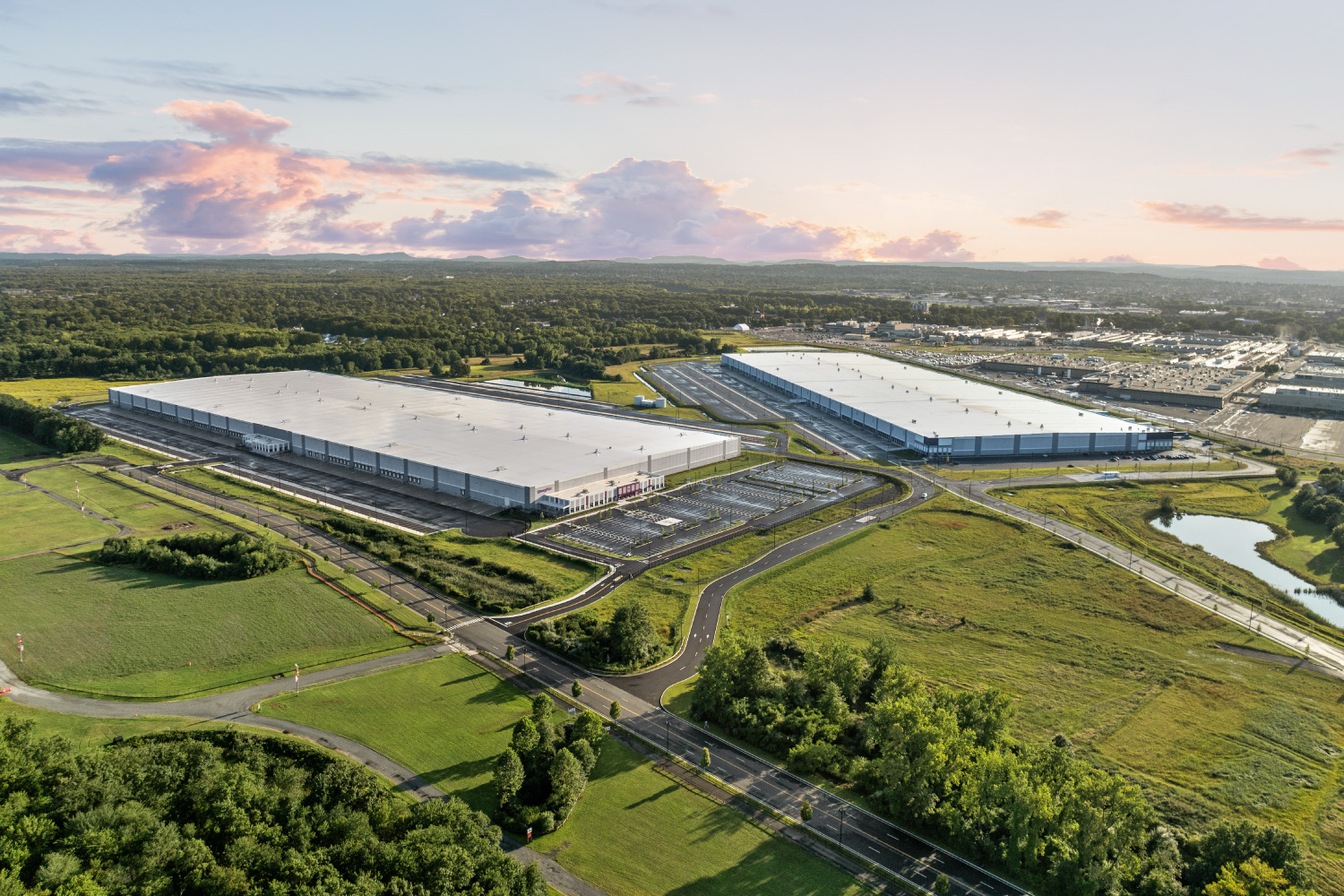

Evolving tenant requirements are reshaping Boston’s industrial market. As leasing activity improves, manufacturers and logistics users are evaluating facilities based on operational efficiency, electrical capacity, and the ability to support long-term growth. For owners and developers, understanding these priorities is essential to positioning properties for today’s demand.
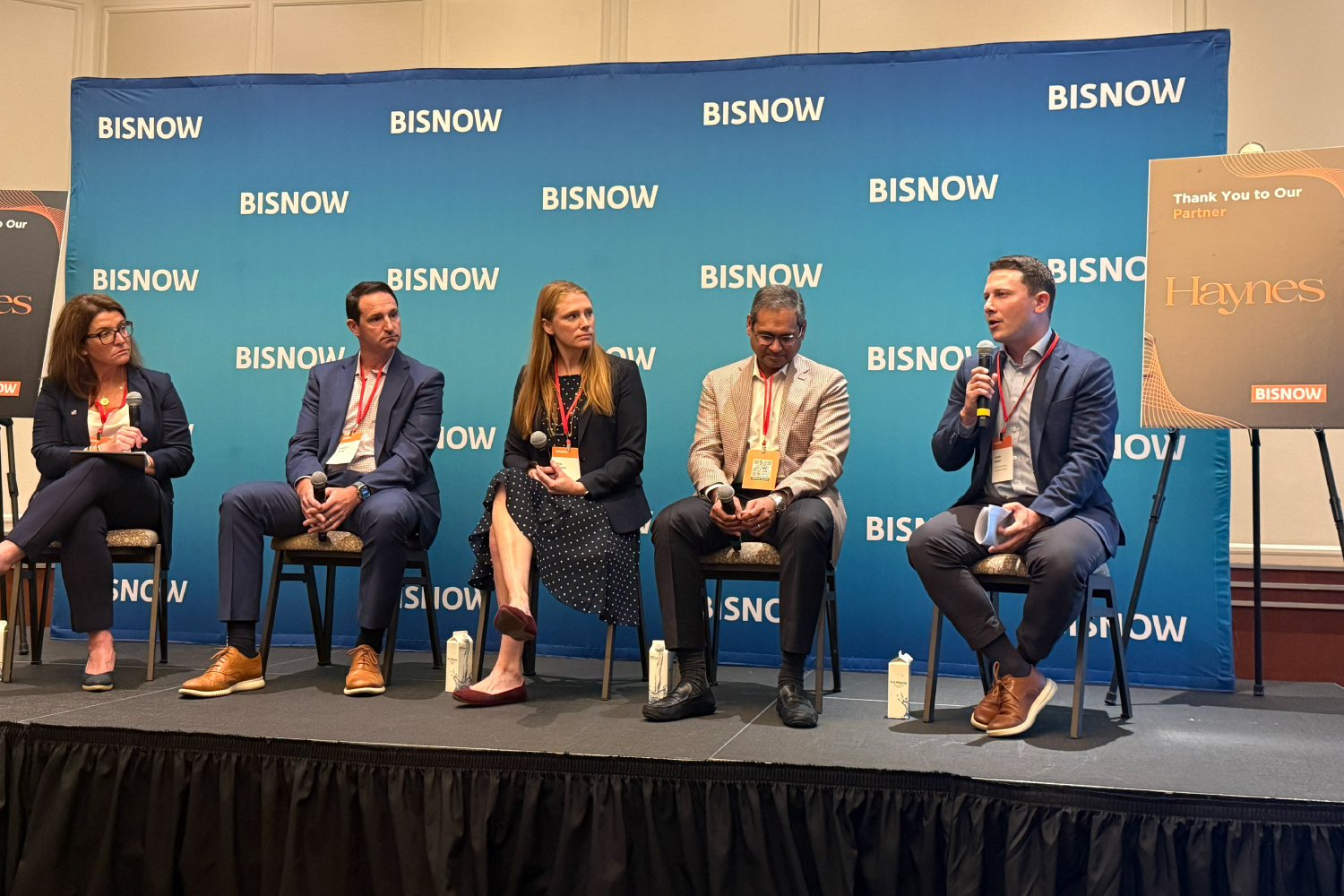
Jason Grant, President of ARCO National Construction’s New England division, recently joined industry leaders at Bisnow’s Boston Industrial & Manufacturing Event to discuss the factors driving leasing decisions and facility investment. The panel explored how changing space requirements, infrastructure constraints, and manufacturing growth are influencing development opportunities throughout the region.
Operational Efficiency Is Driving Facility Decisions
Functional layouts, loading access, parking, workforce proximity, and location in renewal and relocation decisions are all key factors in a building ability to support a tenants operations.
Tenants are now often moving from larger, older properties into smaller, more efficient facilities. Despite higher rental rates per square foot, these moves can reduce overall costs by allowing businesses to operate within a more productive footprint.
This opportunity is particularly relevant for manufacturers occupying facilities that have undergone multiple additions over several decades. Irregular layouts and disconnected production areas can limit efficiency. Evaluating workflow, building configuration, and space utilization early helps tenants understand whether an existing property can meet their needs or whether relocation offers greater long-term value.
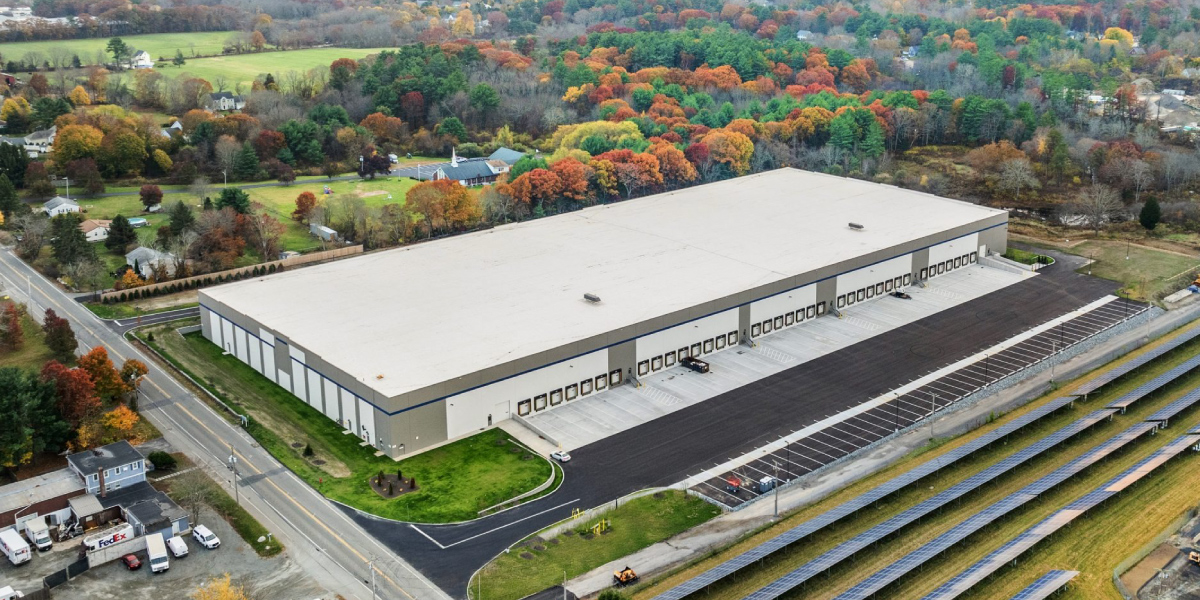
ARCO is currently partnering with SupplyOne on multiple manufacturing projects nationwide, including a project in West Bridgewater, as the company seeks to increase capacity and improve overall operational efficiency.
Electrical Capacity Is a Critical Planning Consideration
Power availability continues to be one of the most crucial industrial project planning considerations. As manufacturing requirements evolve, electrical capacity is increasingly influencing which buildings tenants can consider and how developers prepare speculative facilities for future users.
Electrical service requirements are increasing across many industrial developments, particularly forsmaller facilities designed to accommodate manufacturing uses. For example, speculative projects north of Boston in the 100,000–150,000-square-foot range are being planned with approximately 6,000 amps of service, demonstrating how power requirements can vary significantly depending on anticipated tenant mix and potential uses.
The challenge extends beyond providing additional capacity. Owners and tenants need timely confirmation of available service, potential upgrades, and utility schedules before committing to a property. Early coordination with utility providers and the design-build team helps identify constraints and evaluate infrastructure requirements while facility options are still being considered.
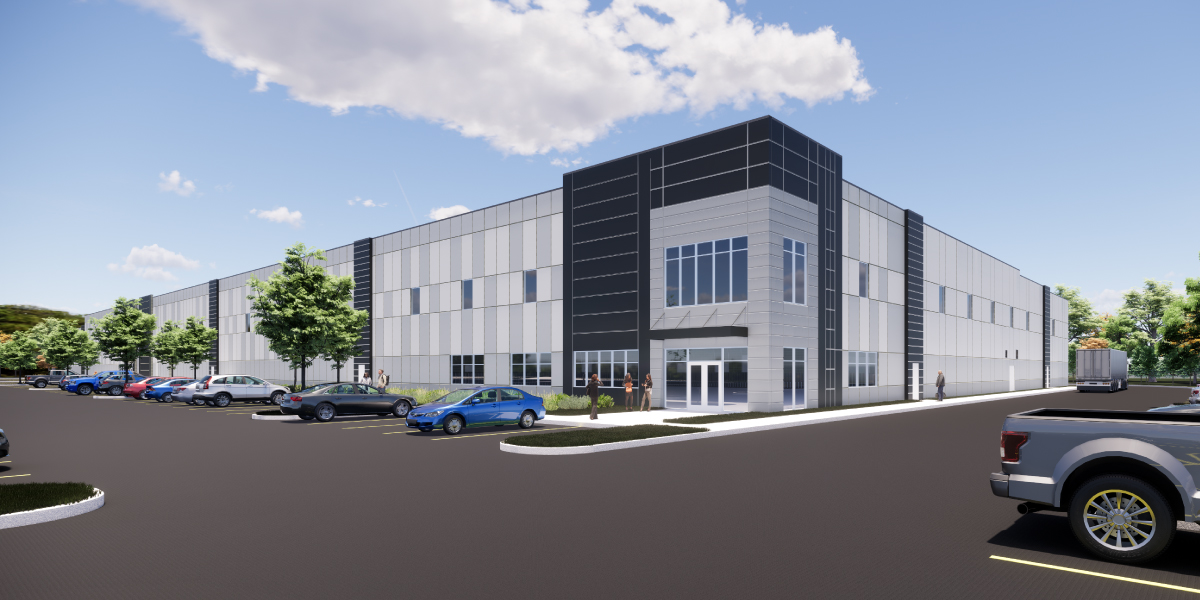
ARCO is currently building a 147,400 SF speculative warehouse in Billerica with two (2) 4,000 AMP electrical services.
Manufacturing Growth Extends Beyond Major Production Facilities
Manufacturing is a key focus of the outlook for Boston and other national markets. Massachusetts’ skilled workforce, universities, and established technology industries continue to support manufacturing investment across the region.
Growth in hyperscale data centers and semiconductor production is also generating manufacturing demand. Companies producing the components, equipment, and materials that support these industries have their own facility requirements, creating facility needs throughout the supply chain.
Manufacturers are also reassessing their existing real estate footprints and exploring opportunities to consolidate production, distribution, and related functions from multiple locations into a single facility. For these users, facility planning requires a detailed understanding of how operations can be integrated and where consolidation can improve efficiency.
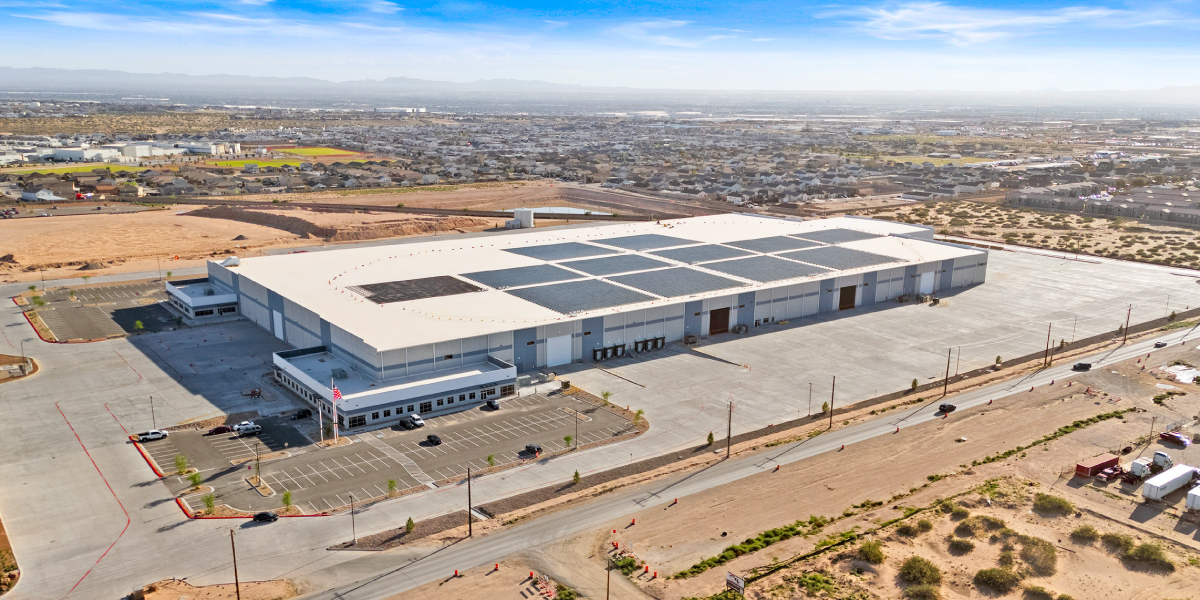
ARCO is currently partnering with a manufacturer of critical infrastructure and major modular systems for data centers on facilities nationwide.
Flexible Building Configurations Support Broader Demand
Industrial demand varies by submarket and tenant size. Buildings that can accommodate multiple users or changing space requirements offer owners greater flexibility as leasing conditions evolve.
Planning for potential subdivision requires early consideration of building dimensions, access, loading, and parking. At the same time, maintaining core specifications remains important. Reducing clear height does not always generate meaningful savings, making 32’–36’ clear heights a practical choice for preserving future tenant options in many speculative developments.
Building depth can become a challenge when larger, single-loaded facilities are subdivided into smaller suites. A configuration that works for one large user may create inefficient proportions for tenants seeking 40,000–60,000 SF.
Early Evaluation Helps Advance Informed Decisions
While leasing activity is improving, uncertainty continues to influence the timing and length of tenant commitments. Municipal requirements, site limitations, and utility availability can further complicate decisions about leasing, purchasing, or developing a facility.
For owners and tenants, early evaluation provides a clearer understanding of which options are viable. ARCO’s design-build approach brings operational requirements, design, budgeting, and construction planning into the same process, helping clients assess facility alternatives and identify potential challenges before significant investment.
As Boston’s industrial market continues to evolve, aligning these decisions with actual tenant needs will remain essential to delivering functional facilities and supporting long-term property performance.
ABOUT ARCO NATIONAL CONSTRUCTION | NEW ENGLAND
ARCO National Construction’s New England division delivers design-build solutions for manufacturing, warehouse and distribution, cold storage, life science, and commercial facilities throughout the region. Based in Greater Boston, the team combines local market expertise with ARCO’s national resources to help clients evaluate sites, qualify existing buildings, and align facility plans with operational requirements. Through a single point of responsibility for design and construction, ARCO provides comprehensive project delivery with a focus on quality, cost control, and schedule.