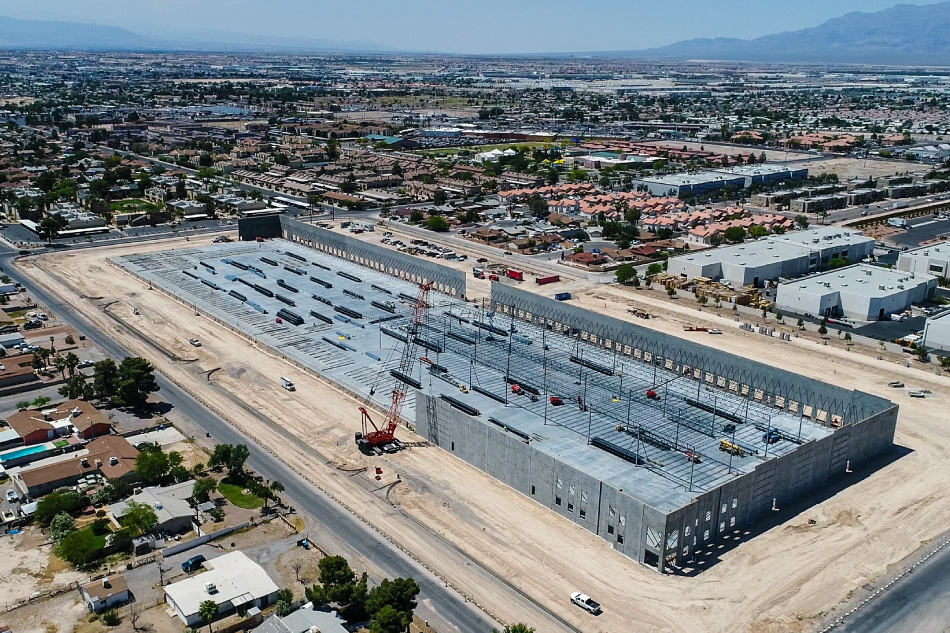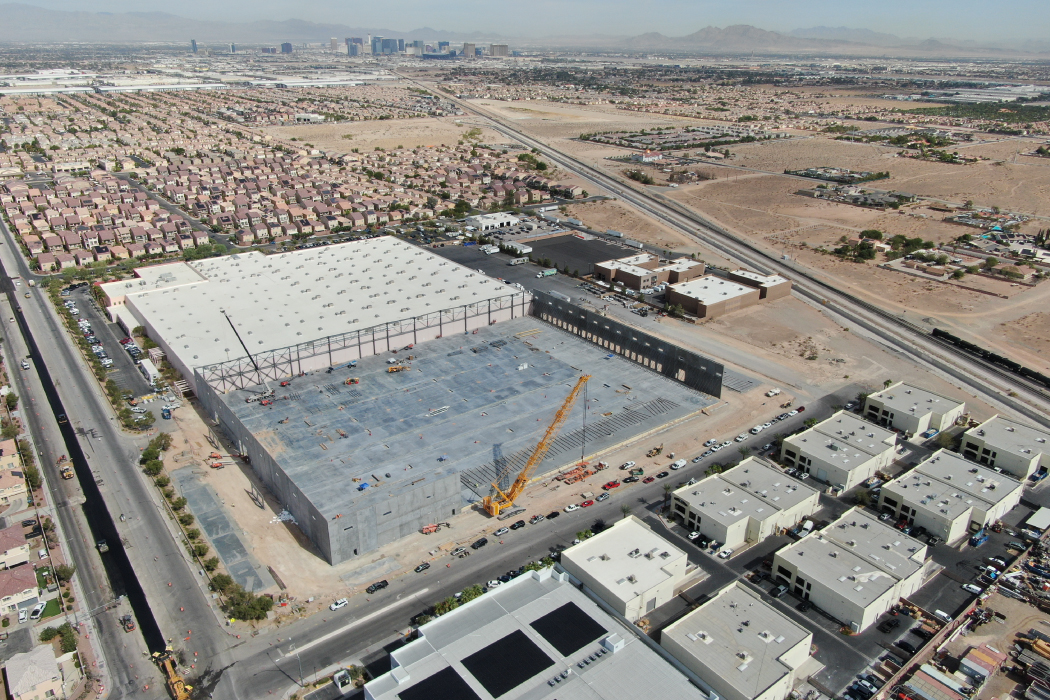

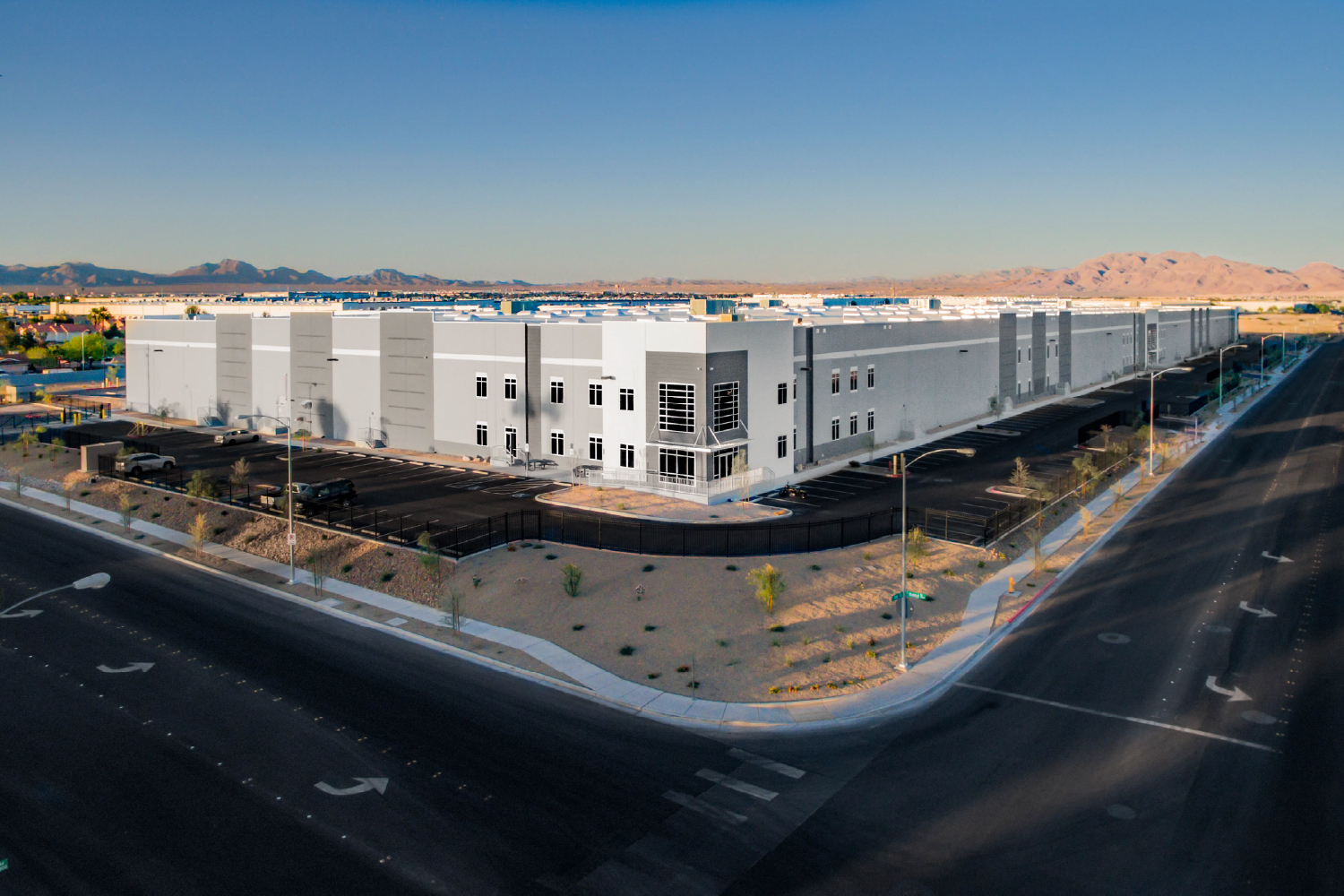
Strong population growth, a strategic location within the Western logistics network, and continued business relocation activity are driving sustained demand for industrial development throughout Southern Nevada.
But as development activity continues, the conversation around industrial land has shifted. The most successful projects today are not simply the ones with well-located sites. They are the ones where owners and developers clearly understand what a site can support from a design, cost, and operational standpoint before development begins.
Understanding What a Site Can Realistically Support
Effective site planning begins with a thorough understanding of a parcel’s constraints and opportunities. Early preconstruction efforts allow owners to evaluate environmental conditions, geotechnical characteristics, zoning requirements, utility availability, and overall constructability.
These factors often determine not only whether a project is feasible, but how it should be designed.
For example, utility capacity, soil conditions, and access limitations can influence building configuration, parking ratios, truck circulation, and construction methods. Evaluating these variables early provides developers and owners with clarity around potential risk, cost exposure, and timelines before significant capital is committed.
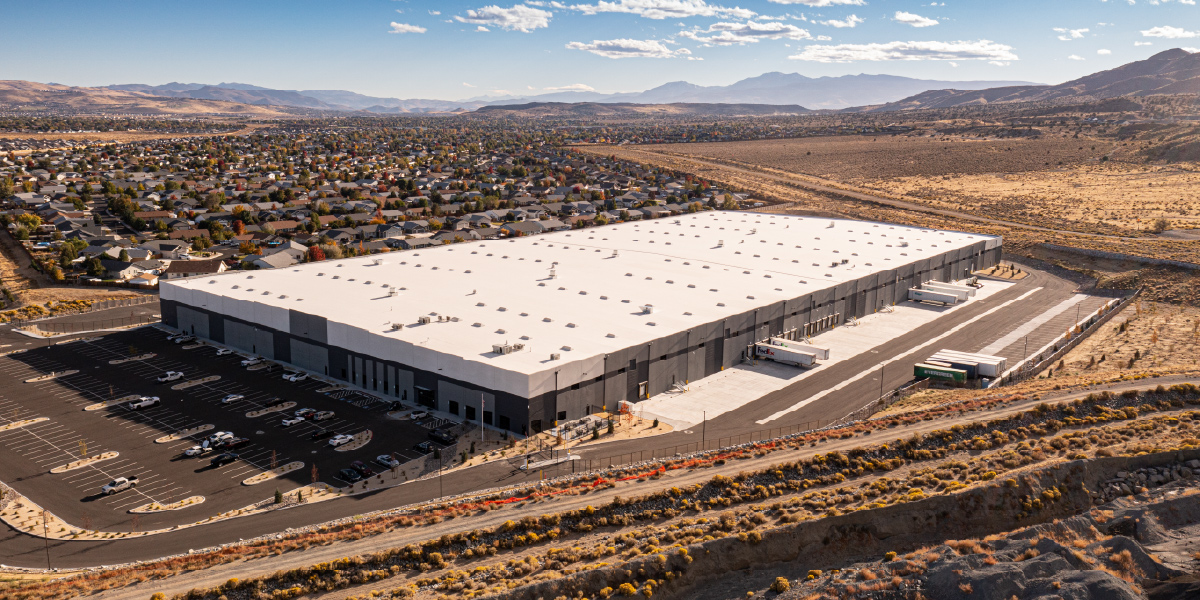
Tenant Demand Is Reshaping Industrial Site Strategy
Industrial development strategies are also evolving in response to changing tenant demand.
During the rapid industrial expansion seen during the pandemic, many developments focused on maximizing building footprint. More recently, many markets, including Southern Nevada, have seen increasing demand for smaller blocks of space.
These users often occupy spaces ranging from roughly 20,000 to 100,000 square feet and have operational requirements that differ from traditional warehouse users. Parking demand can be higher due to employee density, vehicle circulation patterns may prioritize vans or service vehicles rather than large truck courts, and building depths often need to support flexible operational layouts.
Rather than prioritizing a single large building on a site, developers are increasingly evaluating whether land can support multiple buildings, multi-tenant configurations, or phased development strategies that allow projects to respond to market demand over time.
Multi-Building and Small-Bay Development
Multi-building site plans are becoming an important tool for developers seeking to maximize flexibility and leasing velocity.
Instead of designing a site around one tenant profile, these developments allow owners to accommodate a broader range of users. Smaller standalone buildings or shallow-bay facilities can support service companies, contractors, and light industrial users, while larger buildings on the same site can accommodate distribution or manufacturing tenants.
Evaluating whether a site can support this type of configuration requires careful coordination between design and construction teams early in the planning process.
Elements such as building placement, access points, parking layout, and truck circulation must be carefully balanced to ensure the site functions efficiently for multiple tenant types.
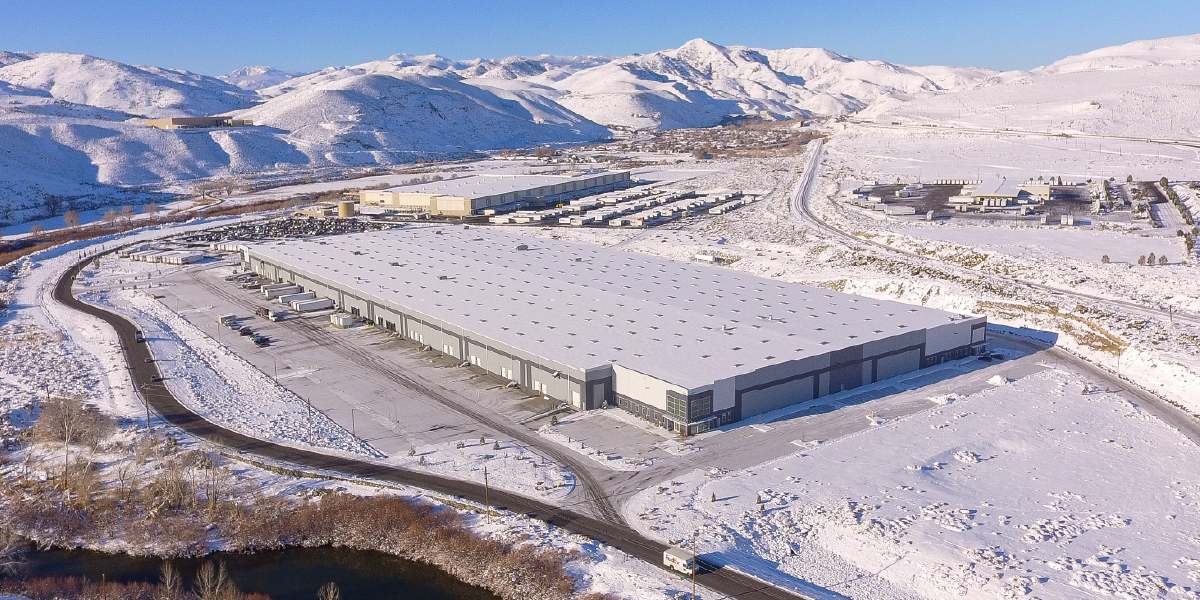
Designing Industrial Facilities for Multi-Tenant Flexibility
In addition to site layout, building design plays a major role in supporting flexible leasing strategies.
Industrial facilities that are designed with future adaptability in mind are often easier to lease and require fewer modifications when tenant needs change. Rather than designing buildings around a single user scenario, developers are increasingly incorporating features that allow facilities to be easily subdivided or reconfigured.
These strategies can include incorporating knock-out panels for future dock doors, designing dock positions that can convert to drive-in access, planning for separate utility metering, and laying out demising walls to accommodate multiple suite sizes.
Integrating these elements early is significantly more cost-effective and schedule-efficient than adding them during the tenant improvement phase.
Aligning Design and Construction From the Start
When construction expertise is integrated early in the development process, owners can evaluate multiple layout scenarios with real-time cost and schedule input. Through ARCO’s design-build approach, development teams gain access to conceptual site plans, feasibility budgets, and constructability insight before committing to a final development strategy. ARCO also coordinates early with utility providers to validate power, water, and infrastructure capacity. This allows owners to understand the financial implications of each option while optimizing building configuration, structural systems, and overall site utilization.
In a market like Southern Nevada, where speed to market and land efficiency are critical, early collaboration and a design-build approach like ARCO’s is becoming increasingly critical to a development’s success.
ABOUT ARCO NATIONAL CONSTRUCTION
ARCO National Construction is a design-build general contractor specializing in industrial and commercial development across North America, including projects throughout Southern Nevada and the greater Western region. By integrating site evaluation, design, engineering, and construction into a single-source delivery model, ARCO helps developers and owners evaluate land feasibility early, control costs, and accelerate project timelines. With deep experience in distribution, manufacturing, and light industrial facilities, ARCO partners with clients to deliver flexible, high-performing facilities that respond to evolving tenant demand and regional growth.