
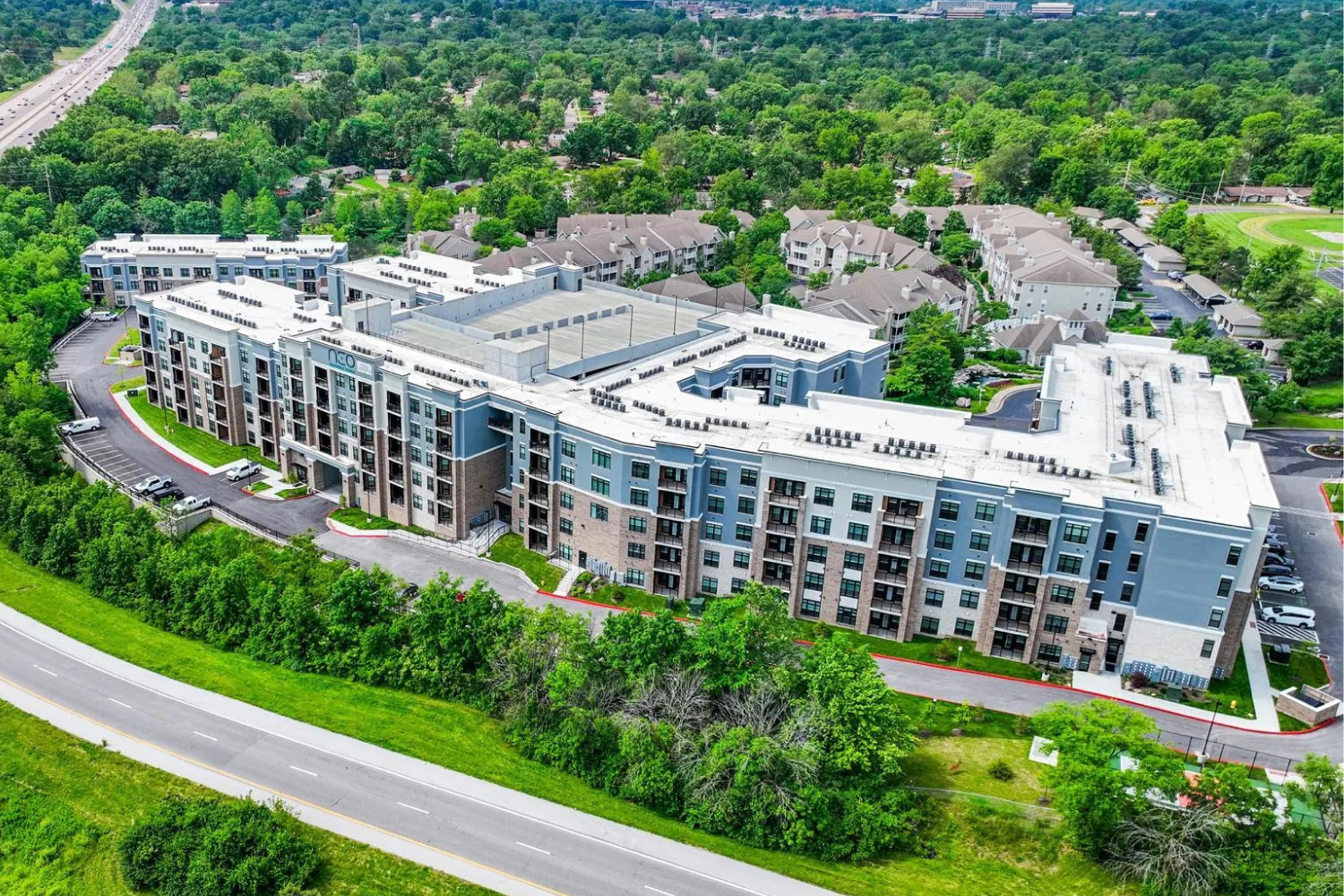
Kyle Darnell, President of ARCO Construction Senior Living & Multifamily, recently moderated the Trends in Architecture, Design, and Construction panel at the Interface St. Louis Multifamily Conference. The conversation highlighted opportunities to advance multifamily development through thoughtful planning, informed cost decisions, evolving design preferences, and innovative construction approaches.
Across the St. Louis region, a diverse mix of submarkets and existing properties offers opportunities for new residential development and adaptive reuse. Turning those opportunities into successful projects calls for early collaboration, local market knowledge, and solutions that balance project feasibility with long-term resident experience.
Early Collaboration Strengthens Project Feasibility
Successful multifamily projects begin with early coordination among developers, architects, contractors, consultants, and financing partners. Across St. Louis, varying municipal requirements and building codes make it especially valuable to evaluate zoning, utilities, site conditions, parking, and financing requirements together. An integrated team can identify potential conflicts, draw on lessons from previous projects, and minimize redesign or resubmissions.
That collaboration also supports more informed cost decisions. Multifamily construction pricing has shown relative stability, with local competition helping offset certain cost pressures. Transportation and fuel expenses can still influence delivered material pricing, while other construction sectors compete for trade capacity. Early trade involvement and ongoing market evaluation help teams establish realistic budgets and protect the features that matter most to a project’s long-term success.
Urban-Style Density Expanding into St. Louis Submarkets
Urban-style multifamily density is becoming more prominent in suburban communities throughout the St. Louis region. Communities such as Wildwood, Kirkwood, and St. Charles illustrate how more concentrated residential development can bring new housing options outside the traditional urban core.
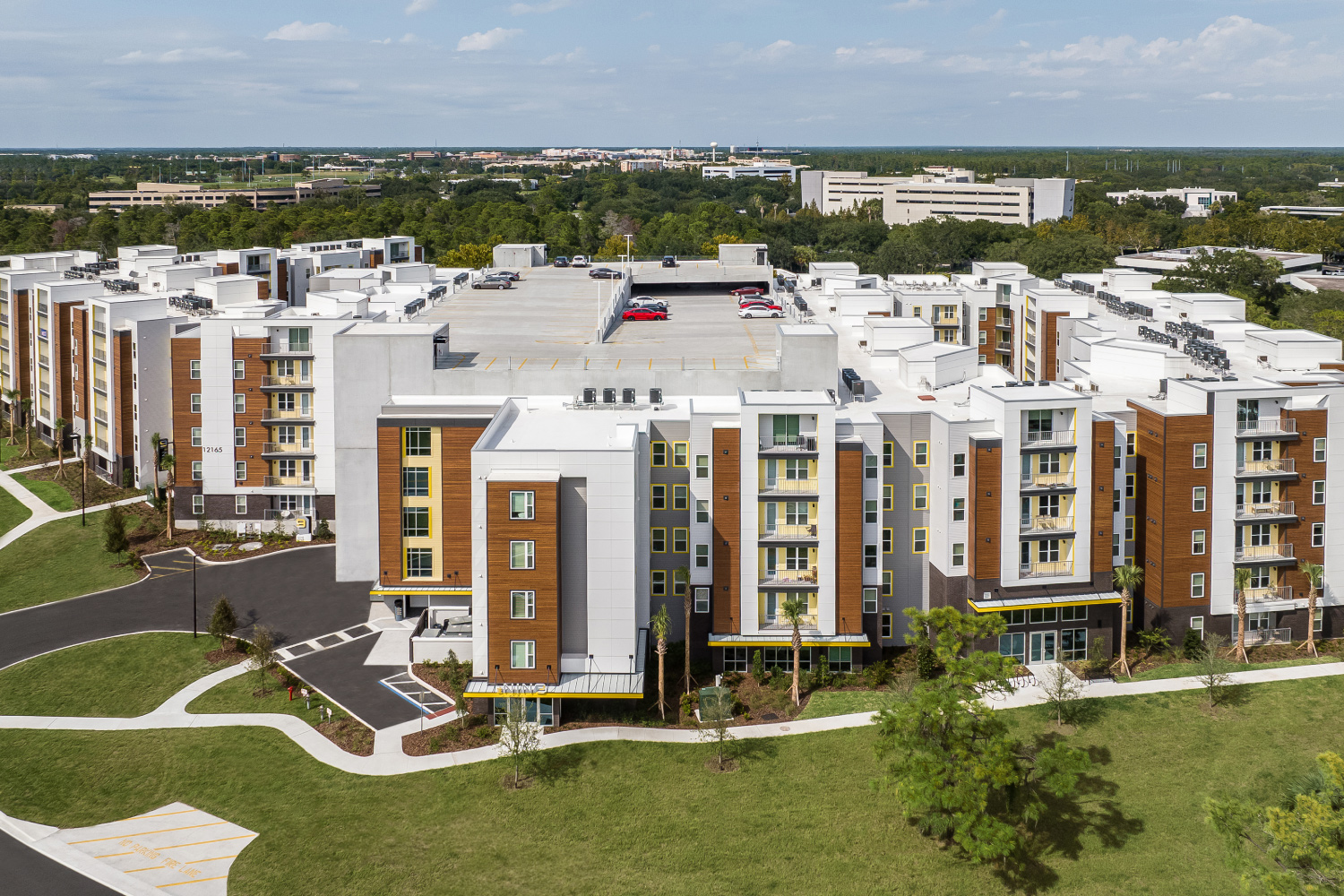
Parking remains central to project feasibility. Surface parking can support cost-effective site planning where land is available, while structured parking requires additional budgeting and creative design solutions. Evaluating unit mix, density, parking requirements, and site configuration together helps developers shape financially viable projects that fit their communities.
Intentional Design Supports Stronger Resident Experience
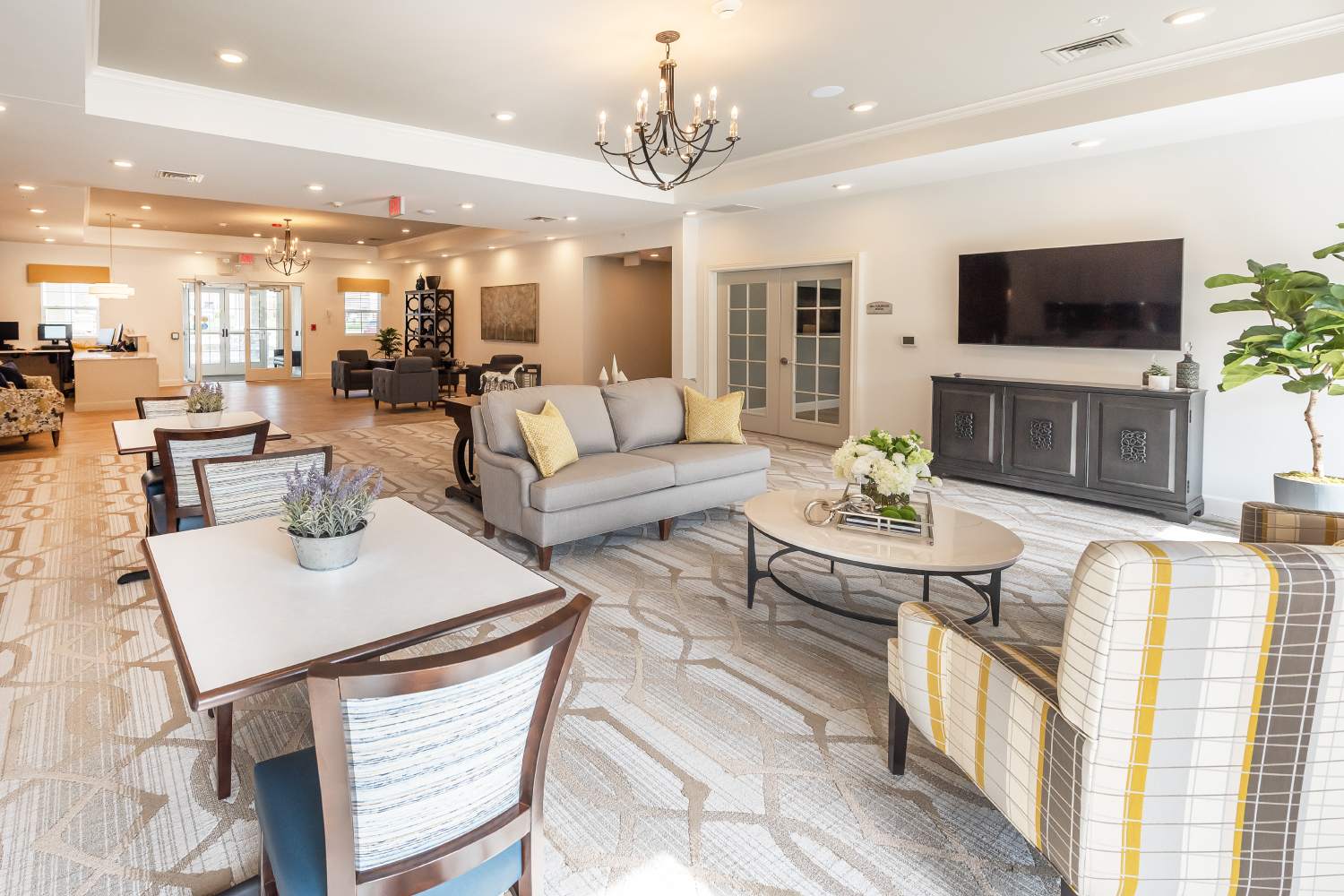
The most effective multifamily amenities reflect a property’s setting and the needs of its residents rather than simply offering the longest list of features. Access to nearby parks and trails may be a distinguishing benefit for one development, while balconies, views, shared outdoor spaces, or coworking areas may add value at another.
Equally important is how these spaces connect. Thoughtful pedestrian routes, convenient access to everyday services, and comfortable gathering areas create a cohesive resident experience. Considering these choices alongside construction costs helps owners invest in amenities with a clear purpose and lasting appeal.
Adaptive Reuse Creates New Development Opportunities
St. Louis’ historic and underused buildings provide opportunities to introduce housing in established neighborhoods. Successful conversions begin with understanding the existing structure – its condition, bay spacing, floor-plate depth, and window locations all affect how efficiently residential units can be designed and supported with natural light.
Buildings with sound structures and compatible layouts can offer a strong foundation for reuse. Historic tax credits and other financing tools may also help suitable projects move forward. Evaluating building conditions, design possibilities, and funding requirements together allows developers to identify promising opportunities early.
Targeted Prefabrication Can Improve Schedule Predictability
Prefabrication offers practical ways to improve construction coordination and schedule predictability without committing to a fully modular building. Full modular delivery can offer advantages, but local approval, inspection, and installation requirements are important factors in choosing the right approach.
Component-level prefabrication, including bathrooms, electrical assemblies, and light fixtures, can allow elements to be assembled off-site and incorporated into the building more efficiently. Exploring these methods early helps align design details, trade responsibilities, and inspections while tailoring construction solutions to local conditions.
Aligning Development Opportunities with Executable Plans
St. Louis’ diverse submarkets, skilled construction workforce, and existing building inventory provide a strong foundation for continued multifamily development. Successful projects connect those opportunities with realistic budgets, local requirements, and an understanding of how residents will use the finished property.
ARCO’s design-build approach brings design, budgeting, and construction planning together from the earliest stages of development. By evaluating project alternatives, identifying opportunities, and aligning decisions with owner objectives, ARCO helps developers advance multifamily projects that are financially viable, thoughtfully designed, and positioned for long-term success.
ABOUT ARCO CONSTRUCTION
ARCO is a nationally recognized design-build contractor with extensive experience delivering senior living and multifamily communities across the United States. Through long-term client partnerships and collaborative project delivery, ARCO provides cost-effective solutions that support both operational success and resident experience.