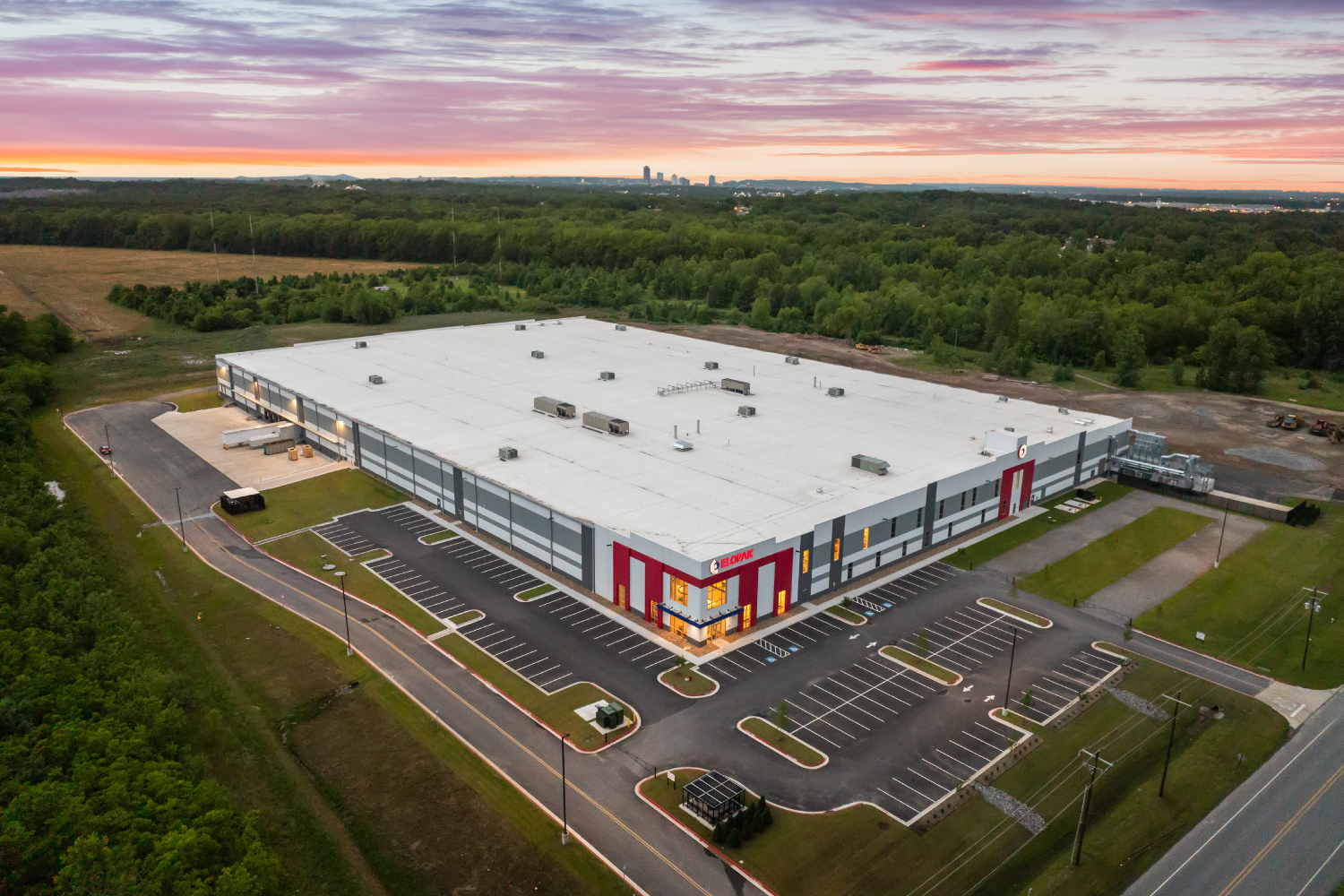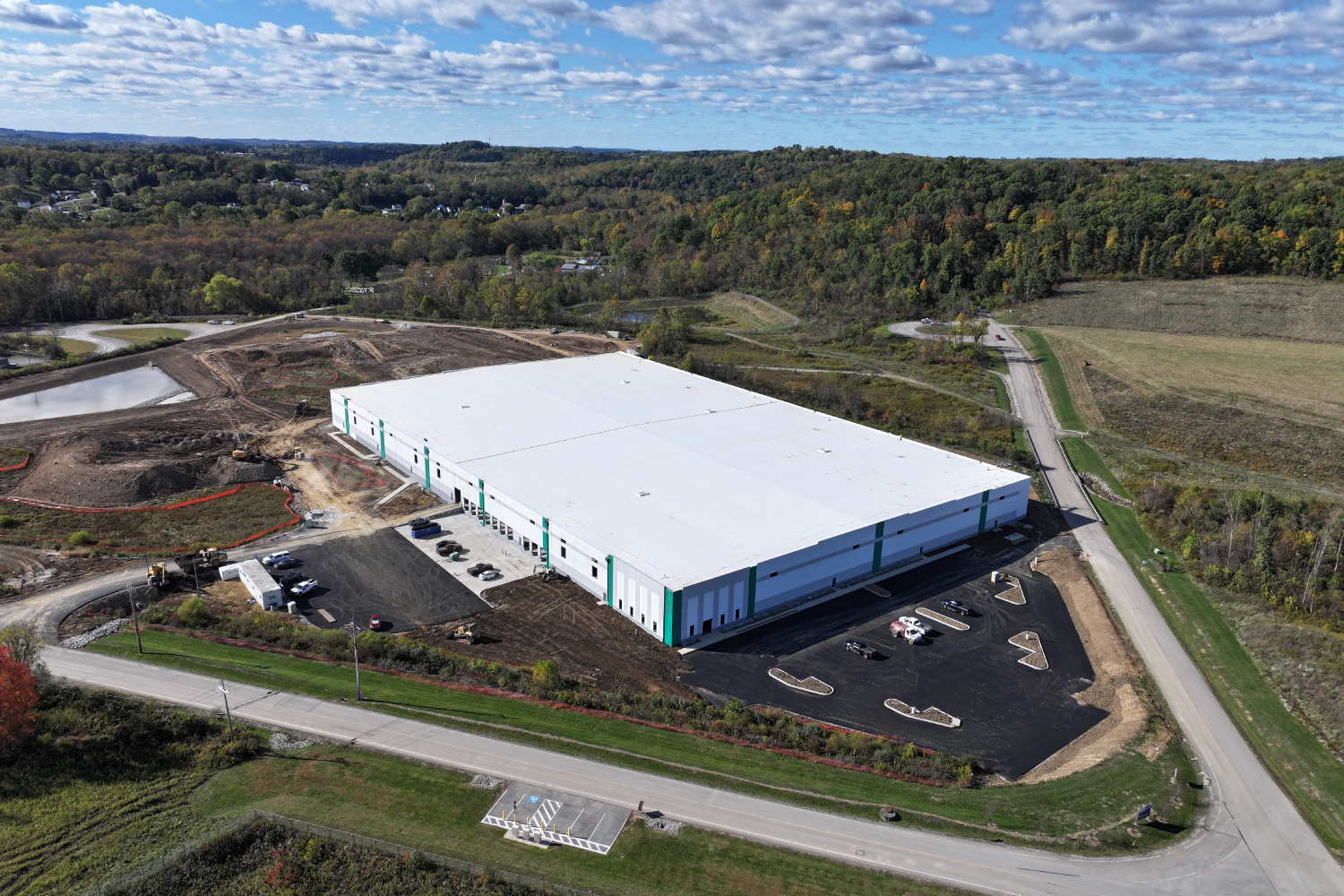

Significant changes to the federal tax code are creating new opportunities for manufacturers and automation-driven organizations undertaking large capital projects. Through updates included in the One Big Beautiful Bill Act (OBBBA), qualifying construction and automation investments may now be deducted in the first year they are placed into service, rather than depreciated over decades.
For organizations investing in new production facilities, distribution centers, or automation systems, this change significantly improves project economics. Commercial buildings have traditionally been depreciated over 39 years and equipment over five to twenty years. The updated legislation allows up to 100 percent bonus depreciation in the first year for qualifying investments, accelerating deductions to improve near-term cash flow and strengthen payback and ROI calculations used for capital approval.
Accelerating ROI for Capital-Intensive Projects
The financial impact of these changes can be substantial. A manufacturer investing $20 million into a new production plant, for example, may be able to deduct qualifying construction costs in the year the facility is placed into service. This immediate deduction improves internal rate of return calculations and increases capital flexibility.
For major construction entities managing complex builds, the ability to shift significant deductions forward can improve balance sheet performance and support more aggressive growth strategies.

Automation Investments with Long-Term Strategic Value
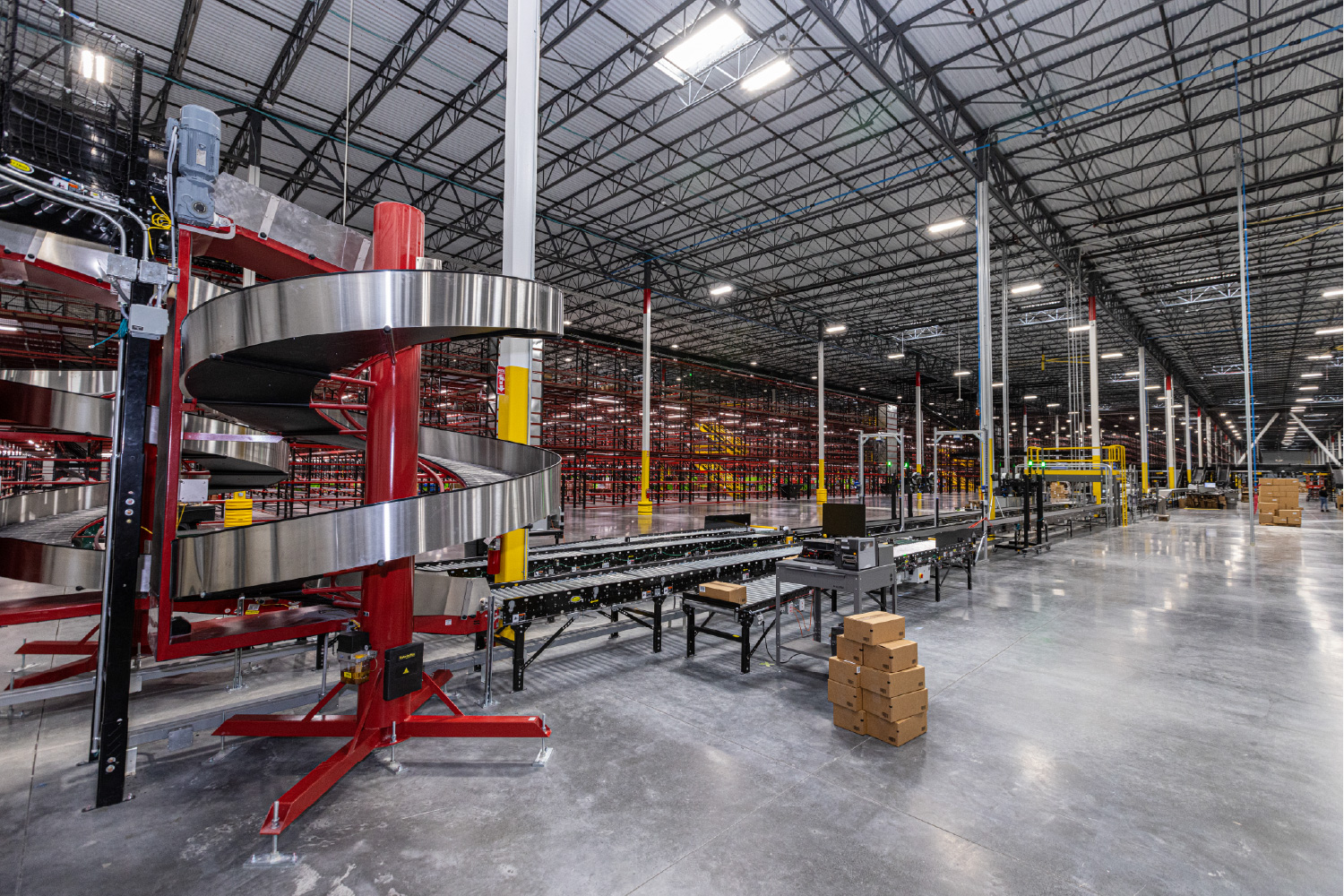
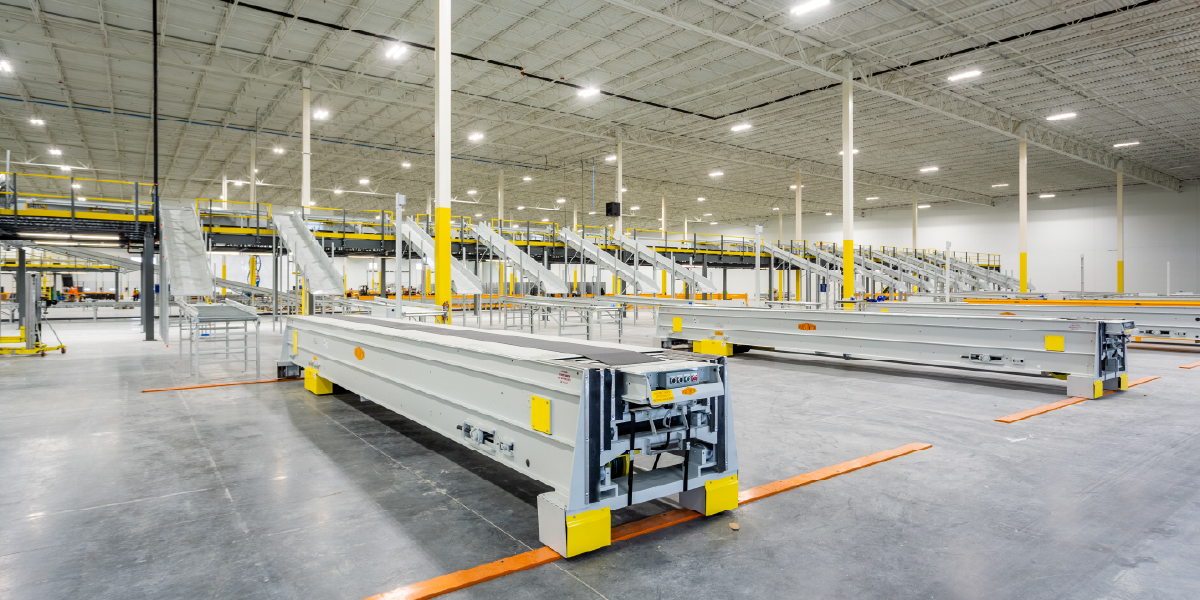
Automation investments also stand to benefit. Eligible equipment may include AS/RS modules, conveyors and sortation systems, automated palletizers and depalletizers, autonomous mobile robotics, scanners and control panels tied to automated equipment, and certain storage solutions such as pallet racking when treated as tangible personal property.
Unlike construction-related deductions, automation investment deductions are permanent and carry no time limit. For organizations modernizing manufacturing and distribution operations, this provides long-term financial advantage while supporting investment in advanced technologies that increase throughput, improve efficiency, and optimize workforce performance.
Understanding Qualification Requirements
To qualify, investments must occur after January 19, 2025 and before January 1, 2029. For major construction projects, equipment must be placed in service after July 2, 2025 and before January 1, 2031, with “placed in service” defined as installed and fully operational rather than simply purchased or delivered. Projects in manufacturing, production, and refinement sectors are particularly well positioned to leverage these opportunities.

Integrating Financial Strategy with Project Execution
For major construction and automation entities, the opportunity goes beyond tax savings. Addressing incentives early in preconstruction and capital planning can impact scope, equipment selection, scheduling, and overall project structure. Integrating incentive strategy into the design-build process helps align investments with compliance requirements and maximize financial benefit without affecting delivery.
As capital-intensive industries continue to invest in advanced manufacturing and automation technologies, aligning financial strategy with construction execution is more important than ever. By proactively evaluating eligibility and structuring projects around these updated incentives, organizations can strengthen cash flow, accelerate returns, and position their facilities for long-term competitive advantage.
ABOUT ANH FIANCIAL SERVICES
ANH Financial Services, a resource of ARCO National Construction, provides strategic guidance to help organizations identify and maximize financial incentives associated with capital investments. The team evaluates eligibility for federal, state, and local programs and supports clients throughout the incentive process, from initial analysis through compliance. By aligning financial strategy with project planning and execution, ANH Financial Services enhances ARCO’s integrated design-build approach and helps clients improve cash flow, strengthen return on investment, and make more informed capital decisions.