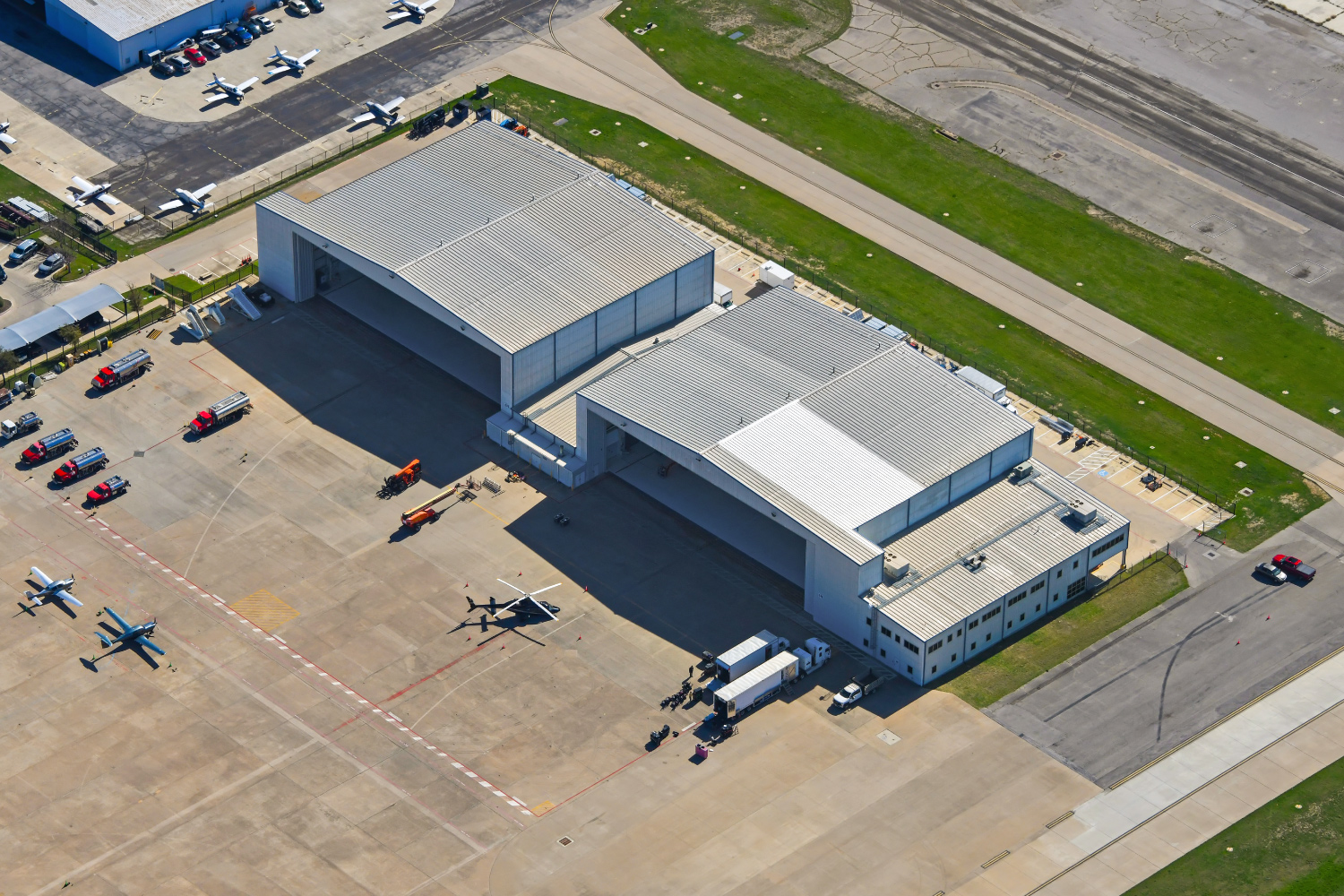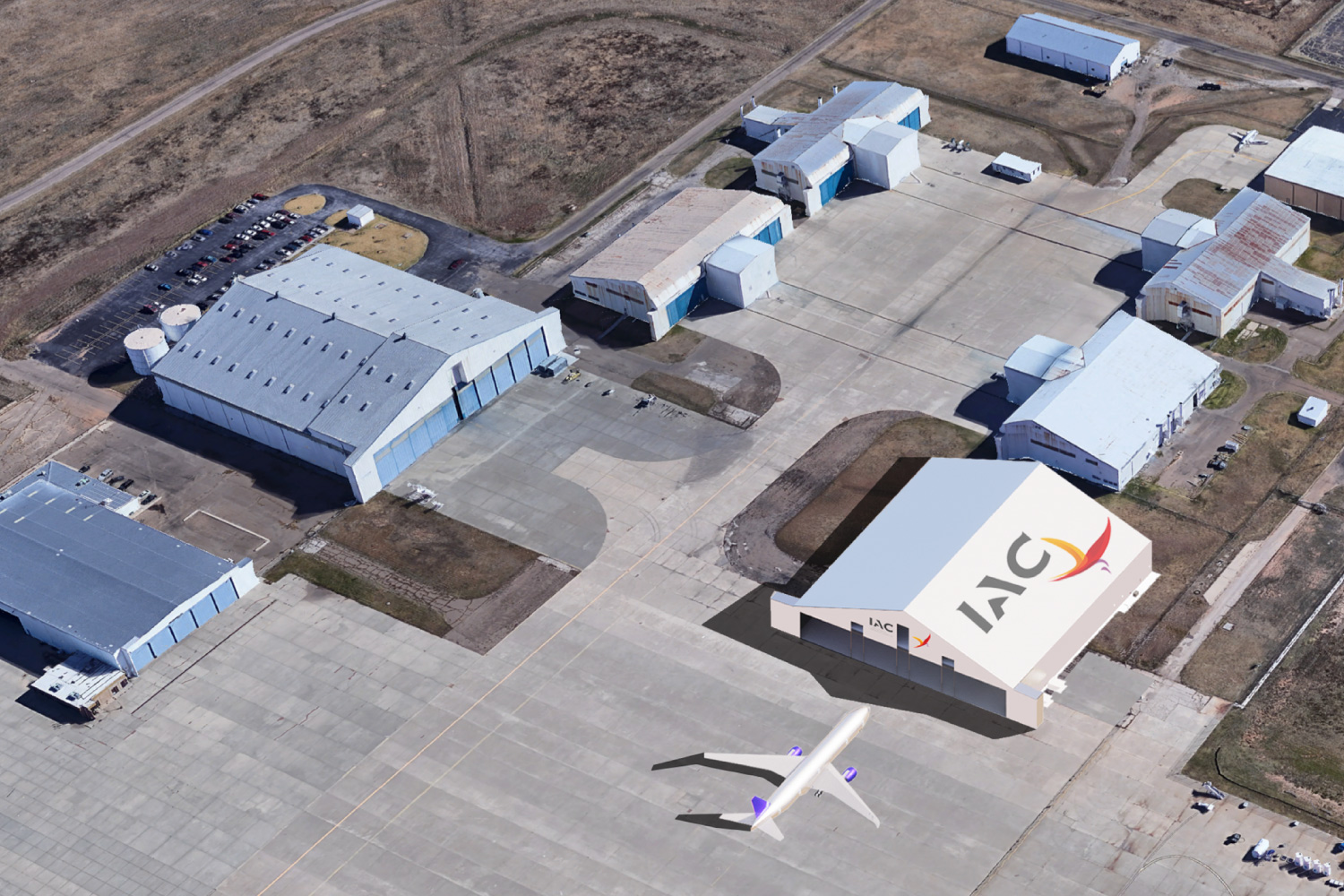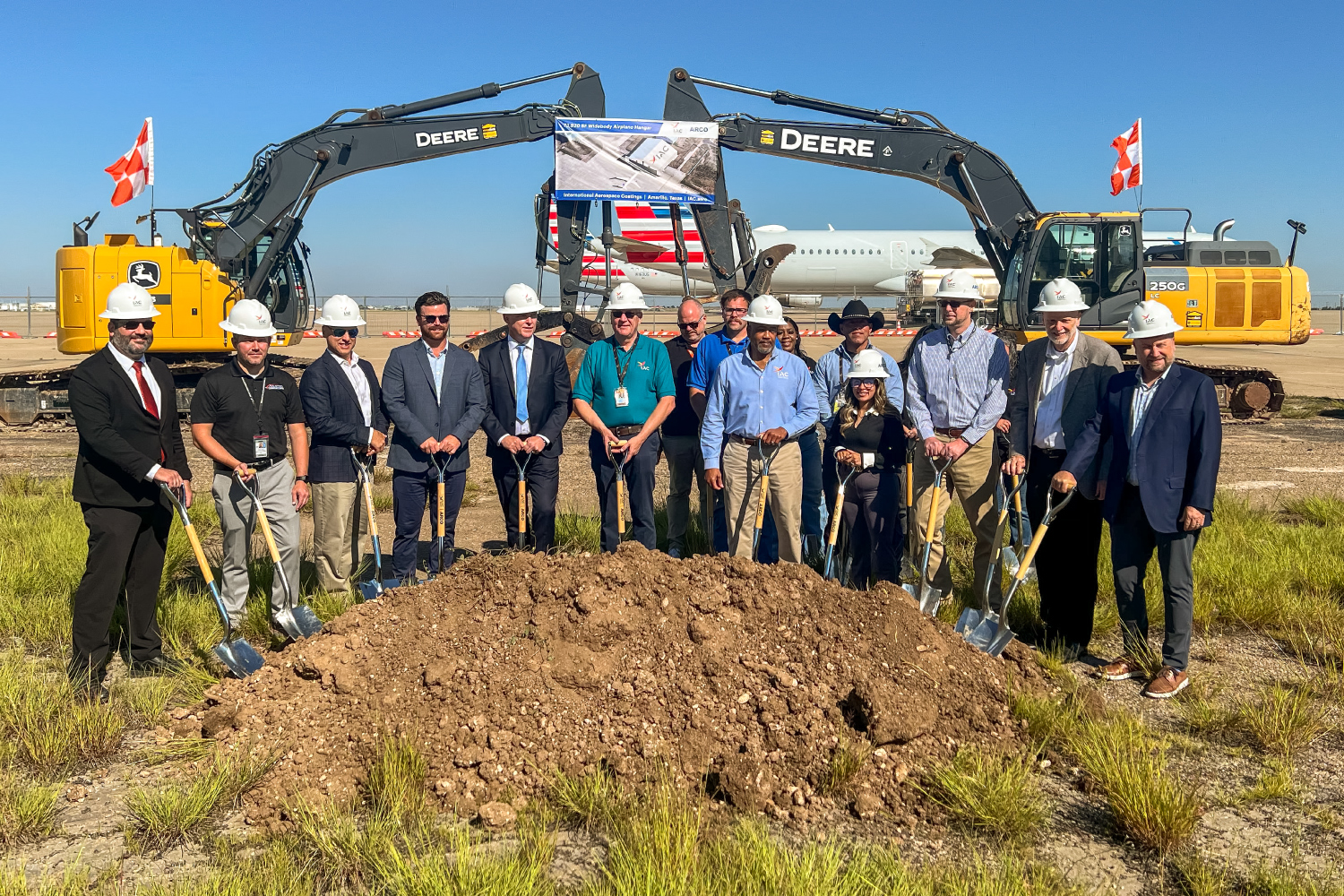


As aviation operations continue to evolve, so do the demands placed on aircraft hangar facilities. Whether supporting maintenance, repair, and overhaul (MRO), corporate aviation, cargo operations, or manufacturing, aircraft hangar design and construction must enable efficient, safe, and scalable operations.
Unlike traditional industrial buildings, hangars are driven by highly specific operational requirements, stringent safety standards, and unique structural challenges. Decisions made early in planning have a direct impact on long-term performance, cost, and adaptability, making early alignment between design and operations critical.
Operations-Focused Design
One of the most common challenges in hangar development is designing the facility before fully understanding the operation it needs to support. Aircraft type, maintenance processes, and throughput requirements should drive every major design decision.
Key considerations include the aircraft fleet mix, including wingspan, tail height, and weight, as well as whether the facility will be used for maintenance, storage, or production. Aircraft movement patterns, ground support equipment requirements, and long-term expansion plans must also be accounted for early in the process.
In traditional plan-and-spec environments, hangars are often designed around a maximum aircraft size without fully considering how multiple aircraft will move within the space. Clearance alone does not define efficiency. Taxi paths, tow operations, and staging areas ultimately determine how effectively the facility functions. ARCO’s design-build approach ensures the design is driven by the client’s operations and intended use, reducing the risk of costly changes later in the project.
Site Selection and Airfield Integration
Hangar projects are inherently tied to their location within an active airport environment, and site constraints directly influence design, cost, and schedule. Airside access and taxiway connectivity must be carefully evaluated to ensure seamless integration with existing airport operations.
Apron size and aircraft maneuvering space are critical components of functionality. If the apron cannot accommodate turning radii or wingtip clearance, the hangar’s usability is limited regardless of the building design. Pavement design must also support aircraft loads, while height restrictions and airspace limitations may influence building configuration.
Utility availability, particularly electrical capacity, is another key factor that can significantly impact both initial construction and future expansion. ARCO evaluates these constraints early, ensuring cost and schedule projections reflect the full scope of site and airfield requirements.
Structural Systems and Clear Span Requirements
Aircraft hangars require large, column-free interiors to safely accommodate aircraft and maximize operational flexibility. Structural systems must balance span capability, cost efficiency, and performance.
Long-span steel trusses and rigid frame systems are commonly used to achieve the necessary clear spans, while reinforced concrete slabs are designed to support both aircraft loads and concentrated loads from maintenance equipment. In many cases, the hangar door opening drives the structural design, influencing steel sizing, header requirements, and deflection criteria.
ARCO coordinates these elements early in the design process, aligning door systems with structural performance to avoid costly redesigns during fabrication. In MRO environments, slab design must account for concentrated loads from jacks, lifts, and specialized maintenance equipment, in addition to aircraft weight.
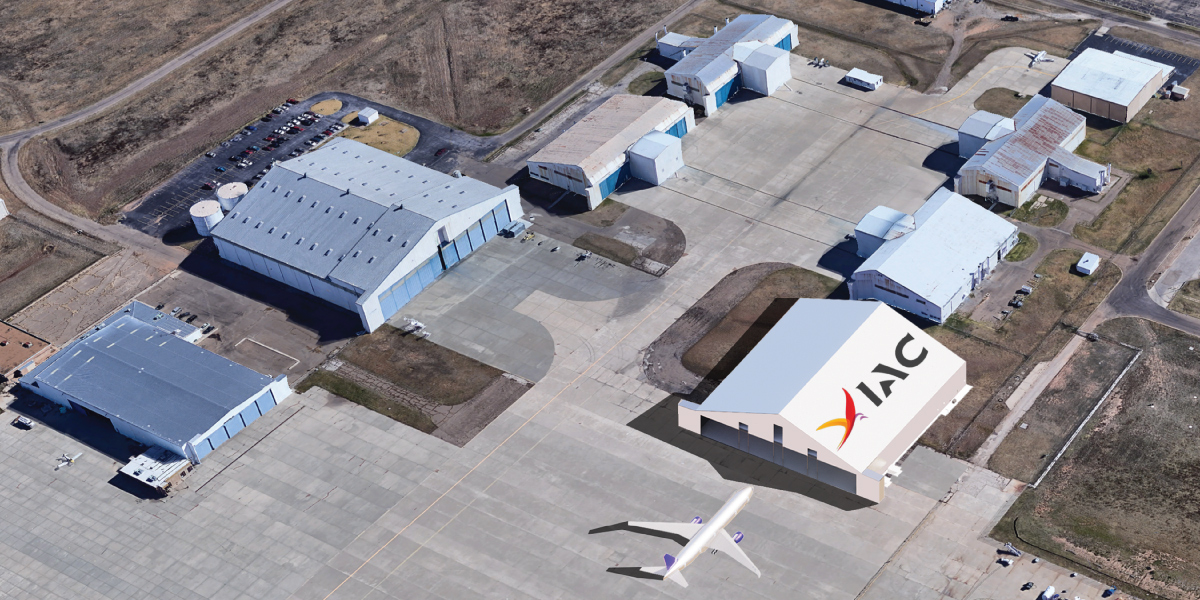
Hangar Door Systems
Hangar doors are one of the most complex and impactful components of the facility, directly affecting operations, cost, and long-term maintenance. The selection of door type, whether sliding, bi-fold, vertical lift, or hydraulic, must align with how aircraft enter and exit the facility.
Operational efficiency can be compromised if door opening speeds or sequencing do not align with aircraft movement schedules. Wind load and deflection requirements also play a significant role in cost and performance, often influencing both door design and supporting structural systems.
In many cases, investing in structural support early can be more cost-effective than over-engineering the door system itself. ARCO works closely with clients to evaluate these trade-offs and select the most efficient and cost-effective solution based on operational needs.
Mechanical, Electrical, and Fire Protection Systems
Hangars require specialized mechanical, electrical, and fire protection (MEP) systems to support both safety and daily operations. High-bay heating systems, often utilizing radiant heat, must be designed to efficiently condition large volumes of space. Ventilation and exhaust systems are critical in maintenance environments, particularly where fumes or hazardous materials are present.
Electrical systems must accommodate both current equipment needs and future expansion, while compressed air and other specialty utilities are often required depending on the operation. Foam fire suppression systems, designed in accordance with NFPA 409, represent one of the most significant cost components of a hangar facility.
Early coordination of fire protection systems can help optimize design and reduce unnecessary costs. Similarly, planning for additional electrical capacity upfront is often a strategic investment, as retrofitting power infrastructure after occupancy is significantly more expensive and disruptive.
Designing for Operational Efficiency
Beyond technical requirements, hangar design must prioritize workflow efficiency. Aircraft flow should be designed to minimize repositioning and reduce downtime, while maintenance bays should be aligned with operational processes to support productivity.
The placement of tools, parts storage, and support spaces plays a critical role in daily operations. Even minor layout decisions can impact efficiency, adding time to each maintenance cycle. Over time, these inefficiencies can translate into significant operational costs.
ARCO approaches hangar design with a focus on real-world functionality, ensuring that the facility supports streamlined operations from day one.
Construction Challenges in Active Airfields
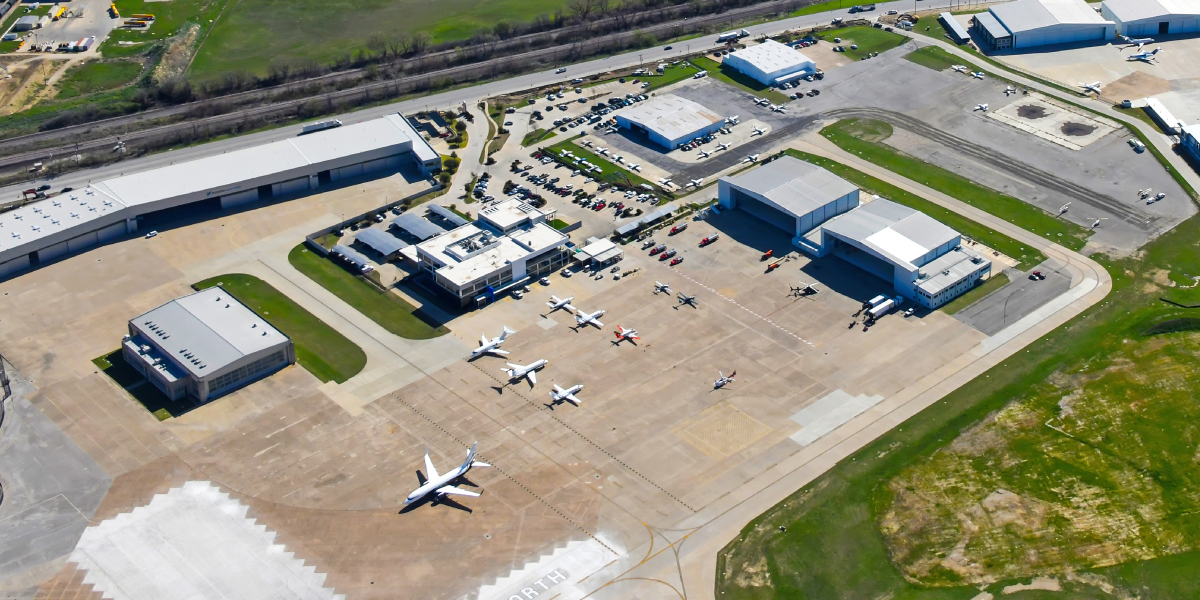
Constructing a hangar within an active airport environment introduces unique logistical and safety challenges. Security protocols, including badging requirements, must be strictly followed, while coordination with ongoing flight operations is essential to maintain safety and minimize disruption.
Limited staging areas and the need for phased construction can further complicate execution. Material deliveries, crane operations, and major construction activities often need to be scheduled around flight activity, requiring careful planning and coordination.
ARCO develops a comprehensive master schedule during the initial planning phase, identifying critical path activities and proactively aligning construction operations with airport activity to prevent delays.
Planning for the Future
Aircraft hangars are long-term investments, and flexibility is essential to ensuring they remain functional as operational needs evolve. Designing for future expansion, whether through structural allowances or site planning, can significantly reduce the cost and complexity of future growth.
Facilities should also be designed to accommodate new aircraft types, increased power demands, and evolving sustainability requirements. Planning for these factors upfront provides long-term value and helps avoid costly retrofits.
ARCO incorporates future-focused design strategies into each project, ensuring that facilities can adapt to changing needs, which is significantly more cost-effective than retrofitting later.
The Design-Build Advantage
Aircraft hangars are highly specialized facilities that require careful coordination between operational requirements, technical design, and construction execution. Success depends on understanding how the facility will function well before construction begins.
By prioritizing operations, aligning stakeholders early, and leveraging an integrated design-build approach, ARCO delivers hangar facilities that are efficient, compliant, and built for long-term performance.
ABOUT ARCO NATIONAL CONSTRUCTION
ARCO National Construction is a design-build contractor with extensive experience in aviation and aerospace facilities, including aircraft hangars, MRO facilities, and airport developments nationwide. Through an integrated delivery approach, ARCO provides cost certainty, streamlined coordination, and facilities designed to meet operational, FAA, and NFPA requirements while supporting long-term performance.