
Communities across the country are investing in sports complexes and recreation facilities to drive economic development, youth engagement, and community wellness. When planned correctly, these facilities become regional destinations and long-term assets for the community.
However, moving from an idea to a successful project requires a structured process that aligns community vision, financial feasibility, operational planning, and construction execution.
This playbook outlines the key phases communities should consider when evaluating and developing a sports complex or multi-use indoor recreation facility.
Establish Community Need & Vision
Every successful sports complex development begins with a clear understanding of community needs and long-term goals. Many municipalities are seeing increased demand for youth sports participation while existing facilities struggle to keep up with scheduling pressures. Field shortages, limited indoor training space, and aging recreation infrastructure often become the initial drivers behind new projects.
Beyond local programming, sports complexes can also create opportunities for regional tournaments and sports tourism. These events bring visiting teams, families, and spectators to the community, generating spending at hotels, restaurants, and local businesses.
For community leaders, the early planning phase should focus on defining how the facility will serve residents while also supporting broader economic and recreation goals. Establishing a clear vision ensures the project moves forward with a shared understanding of its intended impact.
Conduct a Feasibility Study
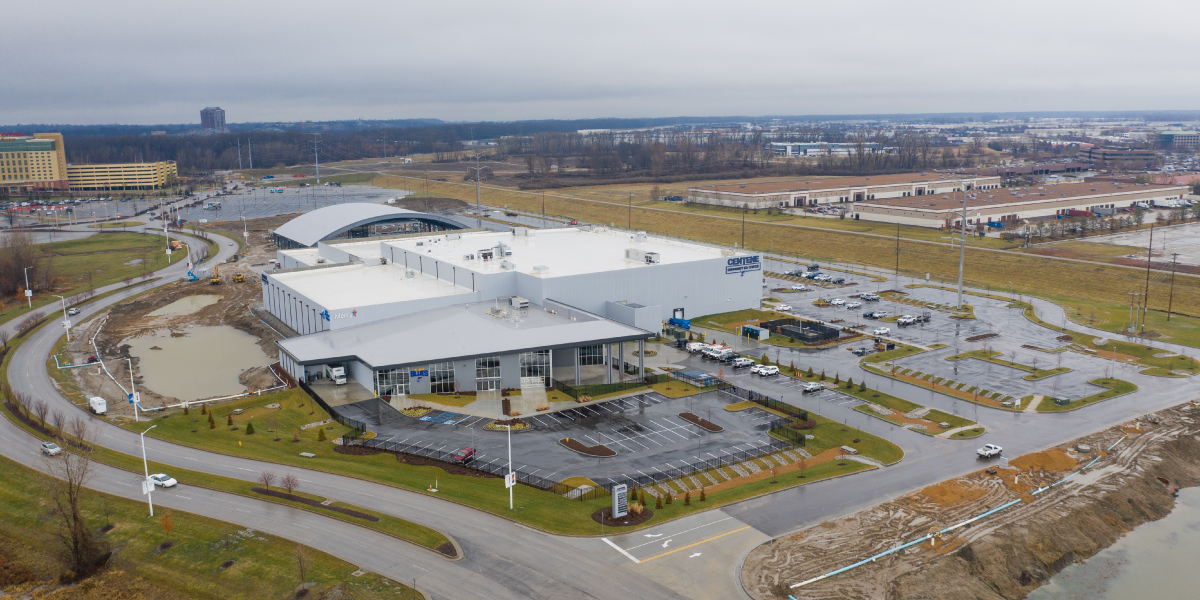
Before moving forward with design or funding decisions, communities typically conduct a feasibility study to evaluate the potential success of the project. This analysis helps determine whether the proposed sports complex development is aligned with regional demand and whether it can operate sustainably over time.
A comprehensive study examines market conditions, local and regional competition, and potential programming opportunities. It also evaluates the optimal facility size and layout based on anticipated demand.
Key questions addressed during this stage often include:
- Is there sufficient demand for leagues, tournaments, and events?
- What gaps exist in the regional sports facility market?
- How large should the complex be to support both local programming and visiting events?
- What revenue potential and economic impact could the project generate?
These insights provide decision-makers with a clearer picture of how the facility could perform and help guide the next phase of planning.
Explore Funding & Capital Structure
Sports complex development projects represent significant community investments. As a result, many municipalities rely on a combination of public and private funding sources to bring projects to life.
Funding strategies often include tools such as municipal bonds, tourism-based taxes, and Tax Increment Financing (TIF) districts. In many cases, communities also explore public-private partnerships that allow both public agencies and private entities to contribute to project funding and long-term operations.
Additional revenue sources may include naming rights agreements, sponsorship partnerships, and philanthropic contributions from local organizations or donors. By combining multiple funding mechanisms, communities can create a capital structure that supports the project while minimizing financial risk.
Concept Design & Budget Alignment
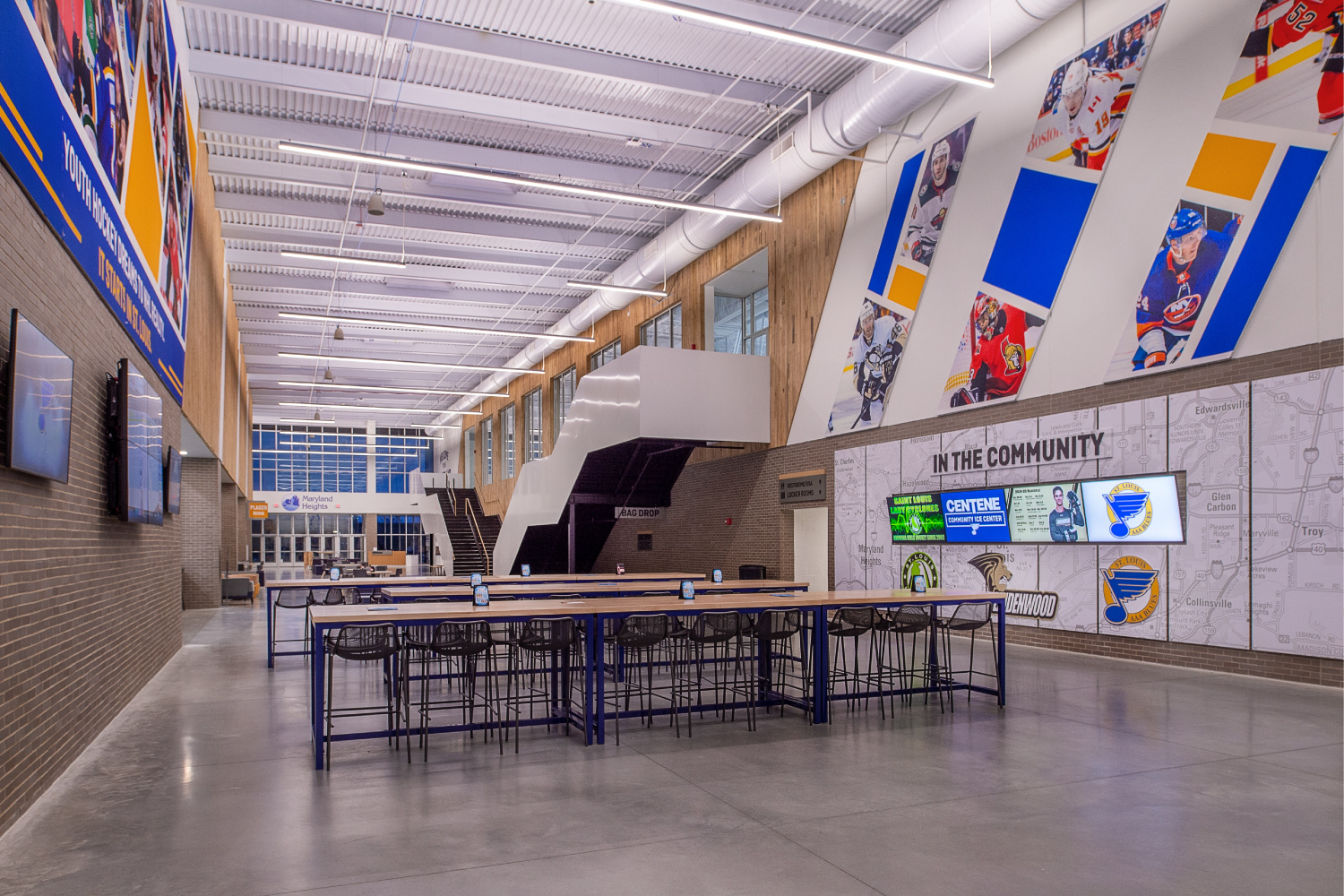
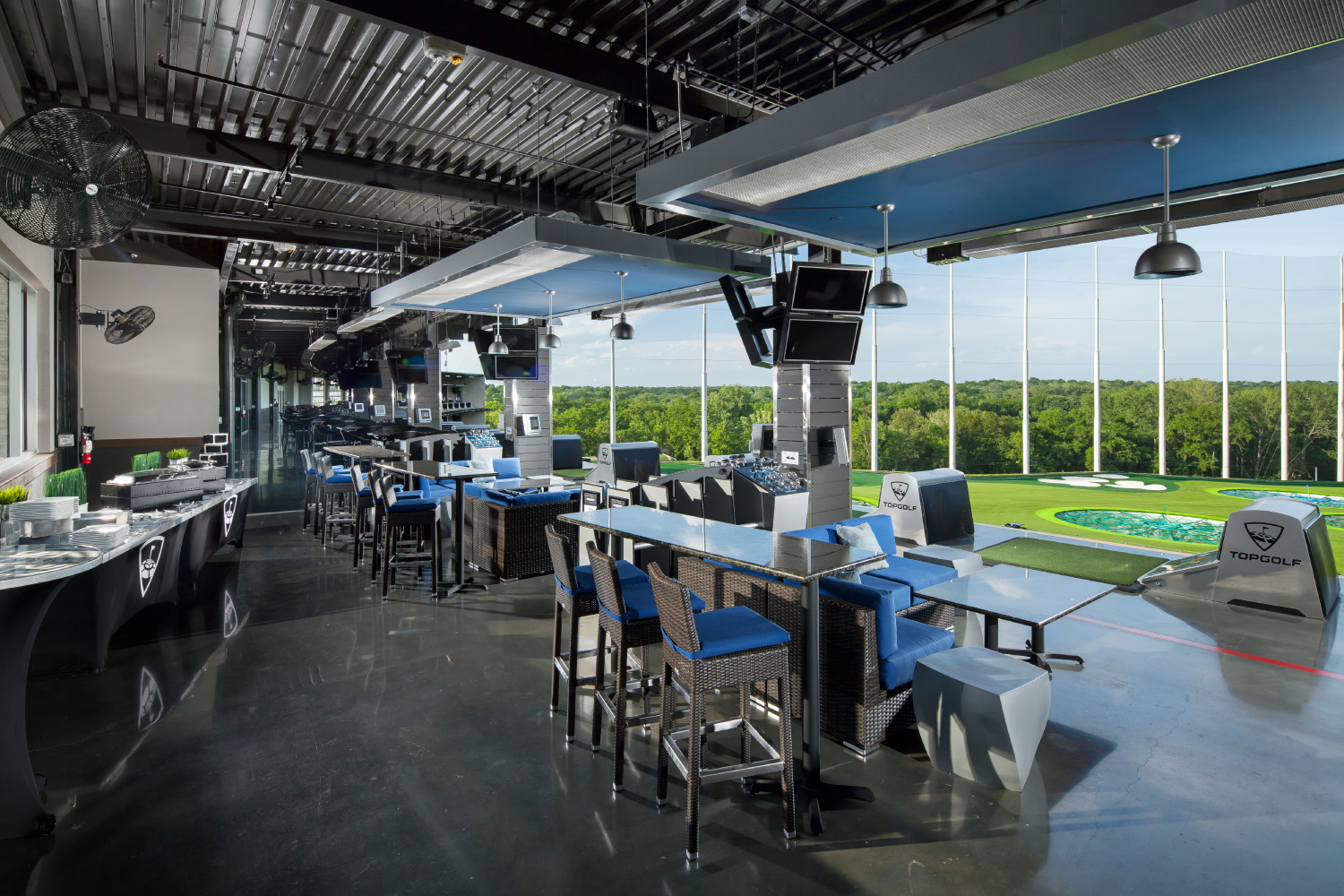
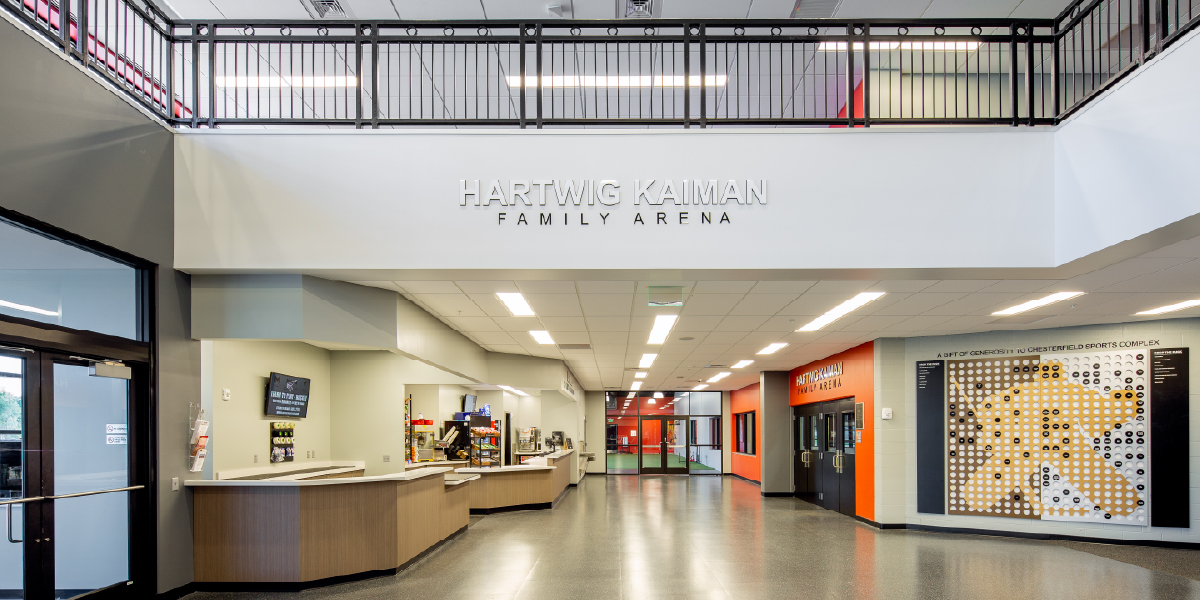
Once feasibility and funding strategies are aligned, the project can move into conceptual design. Sports complexes may include a range of features depending on the intended programming. Common elements include athletic fields or courts, spectator seating, locker rooms, concessions, training areas, and event infrastructure capable of supporting tournaments.
It is critical to align design decisions with realistic construction budgets. Early collaboration between planners, designers, and construction professionals can help ensure the project vision remains achievable while avoiding costly redesigns later in the process.
Engaging experienced construction partners early in sports complex development also allows teams to evaluate materials, building systems, and site considerations that may affect overall cost and schedule.
Operational Planning & Programming
A sports complex is more than a physical facility, it is an active operation that requires ongoing management, programming, and event coordination. Planning for operations early in the development process helps ensure the complex remains financially sustainable after opening.
Communities must determine whether the facility will be operated by municipal staff or managed by a third-party sports facility operator. Many complexes partner with organizations that specialize in tournament scheduling and sports tourism, helping attract regional and national events.
Operational planning typically includes developing league schedules, staffing plans, event calendars, and revenue strategies that may include facility rentals, tournaments, and sponsorship opportunities. Establishing these plans early allows the facility to launch with strong programming and create sustainable revenue streams and event schedules.
Final Project Structuring
Before construction begins, key elements of the development plan should be finalized. This includes confirming funding commitments, securing the project site, and completing land planning or zoning approvals.
During this phase, project teams also finalize the facility scope, construction schedule, and any phased development strategies that may allow portions of the complex to open sooner.
Resolving these details early helps streamline the transition into construction and ensures all stakeholders remain aligned as the project moves forward.
Construction & Project Delivery
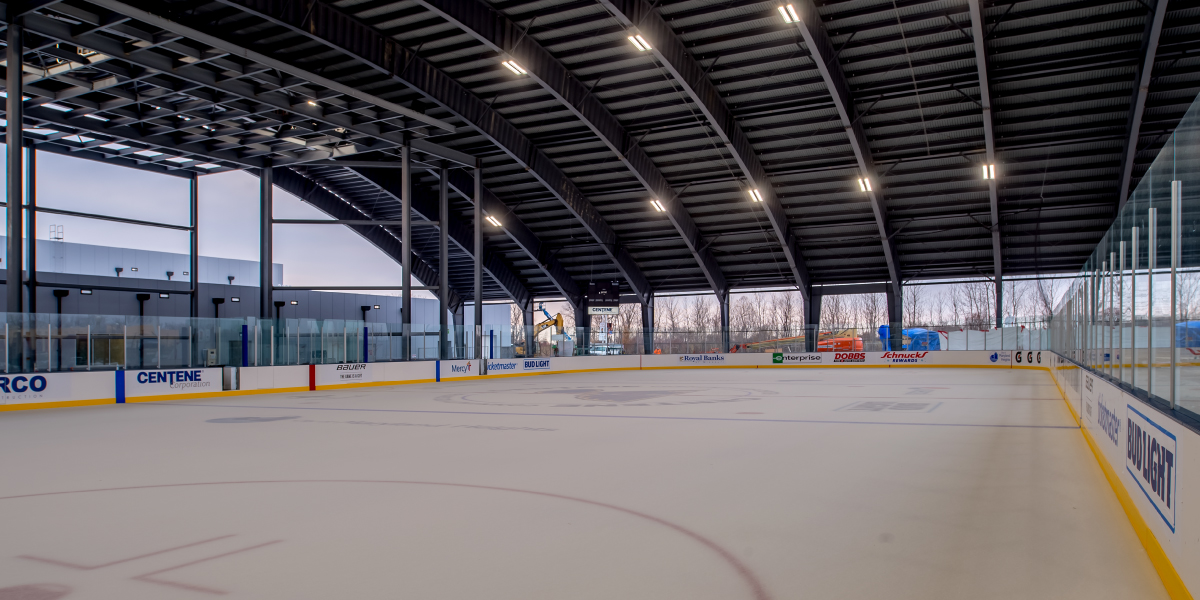
Delivering large recreational facilities on time and within budget requires strong coordination between design teams, contractors, and community stakeholders. Early contractor engagement allows project teams to establish realistic budgets and schedules based on feasibility insights.
Design-build delivery methods can significantly improve efficiency by aligning design and construction under a single team. This approach enhances collaboration, improves cost control, and helps accelerate project timelines.
Experienced construction teams bring both national resources and strong local partnerships to the table. National purchasing power and established supplier relationships can help optimize material costs and maintain project momentum, while collaboration with local subcontractors ensures the project supports the surrounding community.
Launch & Community Impact
Well-planned facilities quickly become hubs for youth sports, recreational leagues, and major tournaments. These events draw visitors from outside the region, increasing hotel occupancy and generating spending across restaurants, retail, and entertainment businesses.
For residents, the complex provides expanded opportunities for athletic participation, wellness programming, and community gathering. Over time, successful sports complex developments often become defining assets that support both community pride and long-term economic growth.
National Expertise. Local Commitment.
Delivering a successful sports complex development requires both specialized construction expertise and strong community partnerships.
With offices across the country, ARCO National Construction combines national resources, industry knowledge, and buying power with deep local relationships. This approach allows communities to benefit from large-scale construction experience while ensuring projects generate meaningful economic impact at the local level.
ABOUT ARCO NATIONAL CONSTRUCTION
ARCO National Construction Company is a leading design-build general contractor with extensive experience delivering sports and athletic facilities nationwide. Through its single-source delivery model, ARCO partners with owners to provide cost certainty, schedule control, and facilities designed to support performance, operations, and long-term community use.