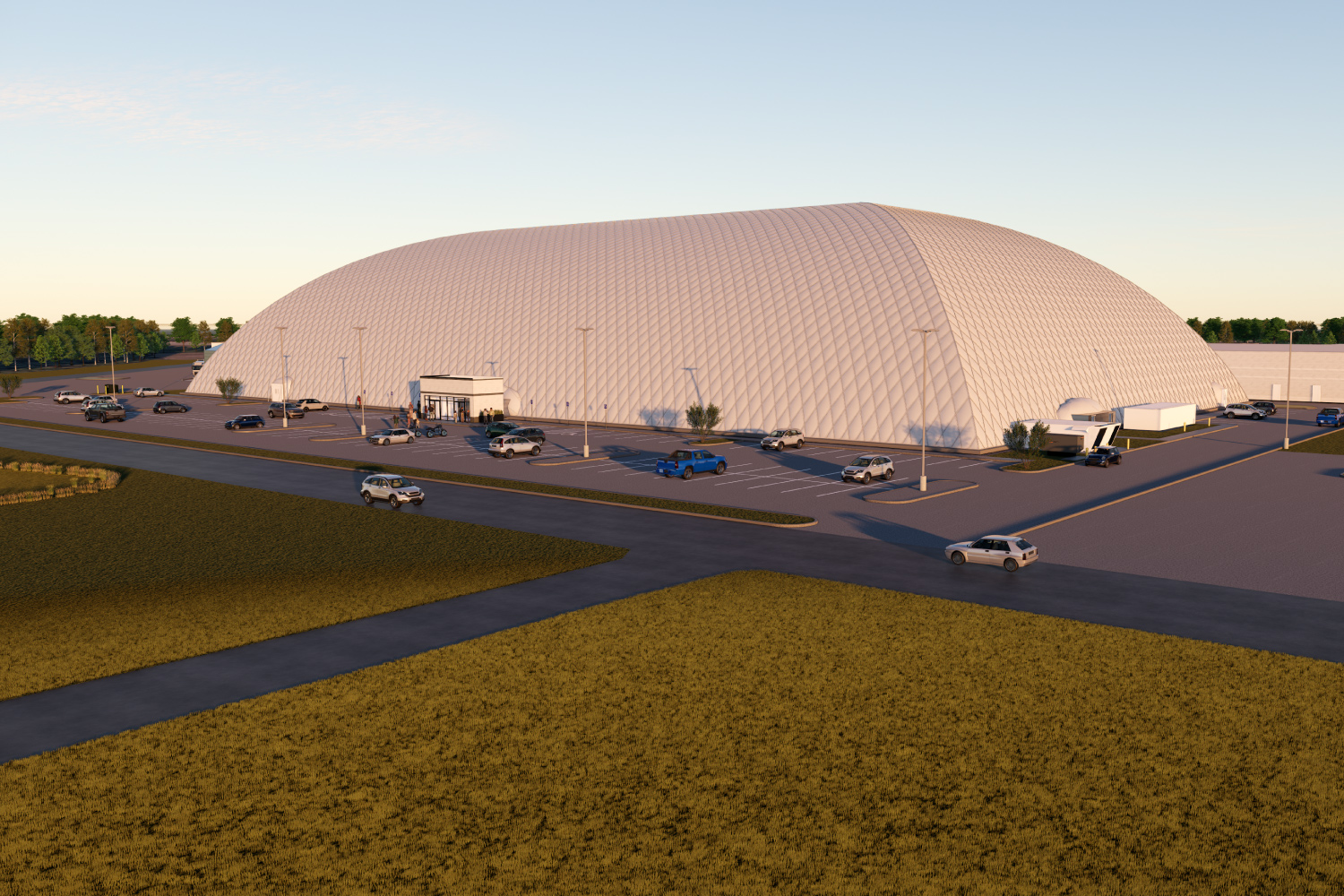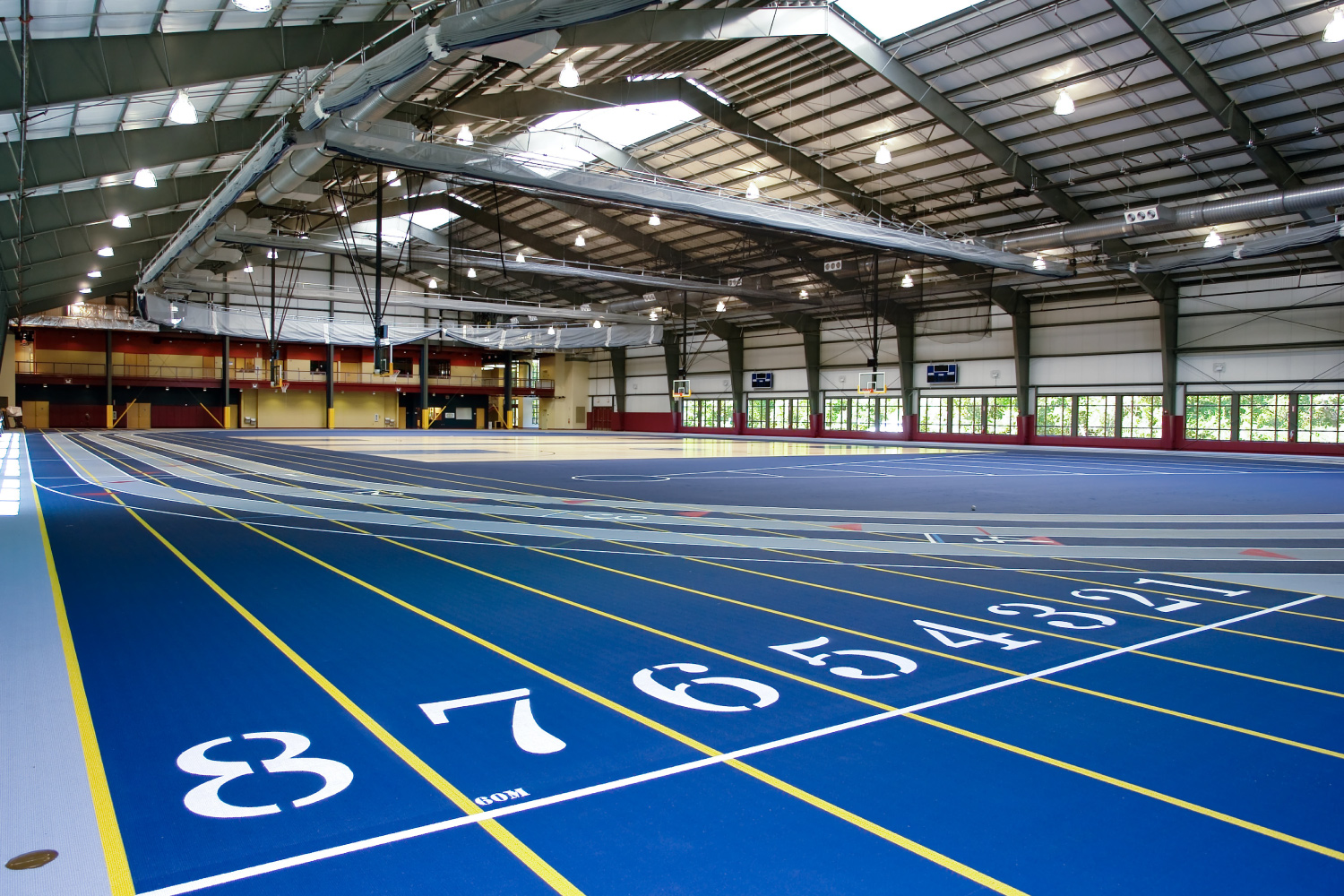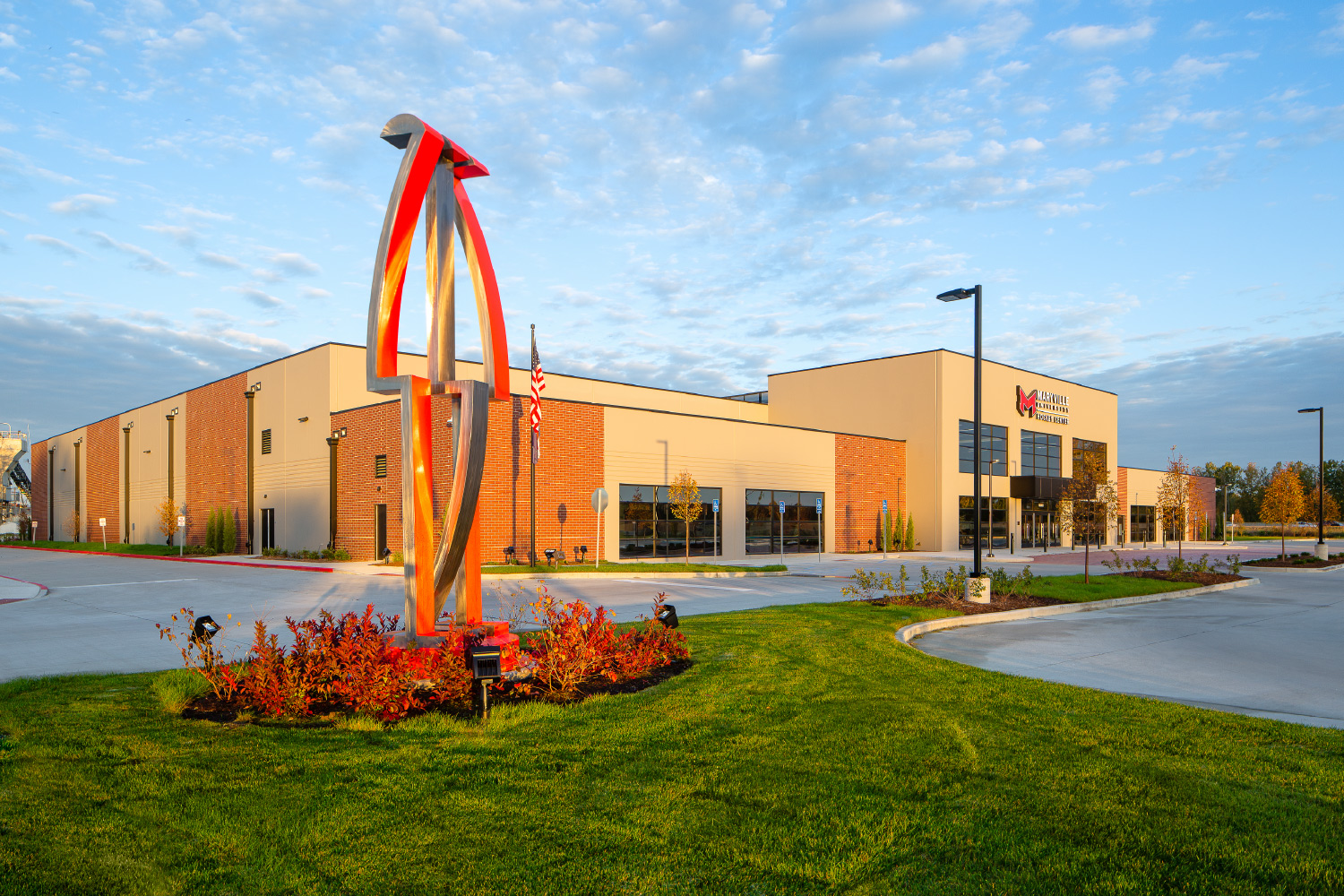

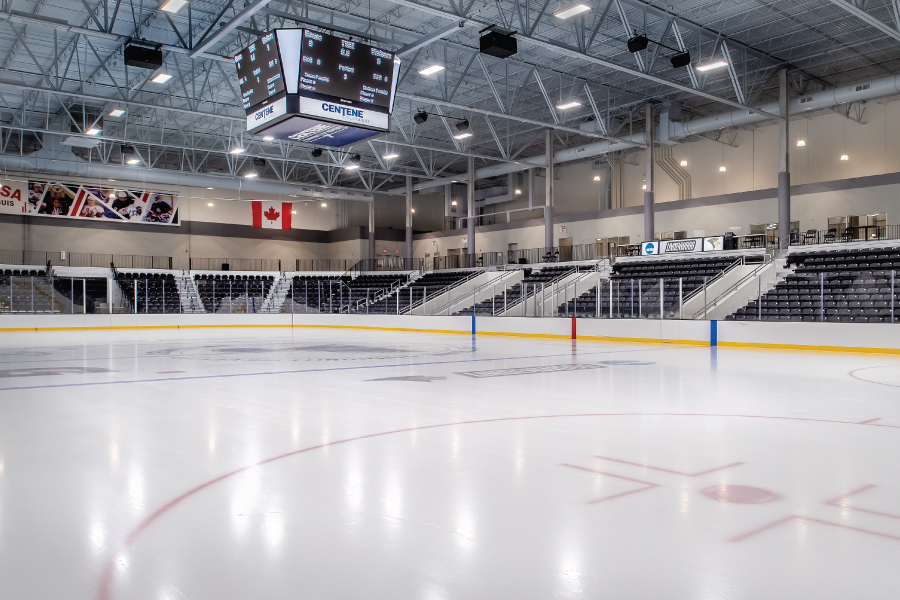
Sports complexes are more than just venues for athletic competition; they are dynamic spaces that integrate into the fabric of communities, fostering collaboration among diverse stakeholders and driving economic growth. Designing these complexes requires a careful balance of functionality, community engagement, and economic feasibility, all while considering the broader impact on the local area. By embracing a collaborative approach, understanding operational dynamics, conducting thorough feasibility analyses, and prioritizing community impact, architects and construction partners can create facilities that inspire, integrate, and endure.

Collaborative Approach: Building Together
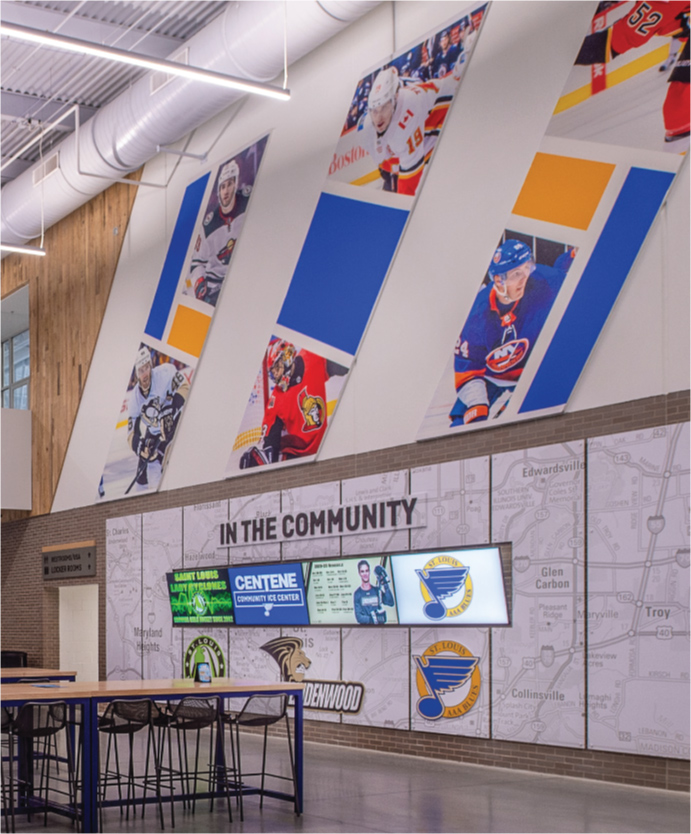
Creating a successful sports complex begins with understanding and involving all stakeholders. From government agencies and sports organizations to local communities and investors, each group plays a crucial role in shaping the facility’s design and ensuring its success. Collaboration is not only about navigating regulatory hurdles but also about incorporating diverse perspectives to create a facility that serves multiple purposes. For instance, a sports complex might also function as a music venue or host community events, broadening its appeal and utility.
Engaging with various groups early in the design process allows architects and planners to tailor the facility to meet specific needs and expectations. This collaborative effort ensures that the complex strikes a balance between community desires and project feasibility, taking into account budget constraints and operational requirements.
Understanding Operations: From Vision to Reality
Creating a successful sports complex begins with understanding and involving all stakeholders. From government agencies and sports organizations to local communities and investors, each group plays a crucial role in shaping the facility’s design and ensuring its success. Collaboration is not only about navigating regulatory hurdles but also about incorporating diverse perspectives to create a facility that serves multiple purposes. For instance, a sports complex might also function as a music venue or host community events, broadening its appeal and utility.
Engaging with various groups early in the design process allows architects and planners to tailor the facility to meet specific needs and expectations. This collaborative effort ensures that the complex strikes a balance between community desires and project feasibility, taking into account budget constraints and operational requirements.
Feasibility Analysis: Making Informed Decisions
Before breaking ground, a thorough feasibility analysis is essential. This analysis considers demographic data, market trends, economic impact projections, and site availability. Understanding the economic health of the community and potential for growth ensures that the project aligns with local needs and capabilities.
Additionally, a well-conducted feasibility study informs decisions on scale, amenities, and financing, mitigating risks and maximizing the long-term sustainability of the complex. It serves as a roadmap for developers and community leaders, guiding them towards a project that enhances local infrastructure and fosters economic vitality.
Community Impact: Beyond Sports
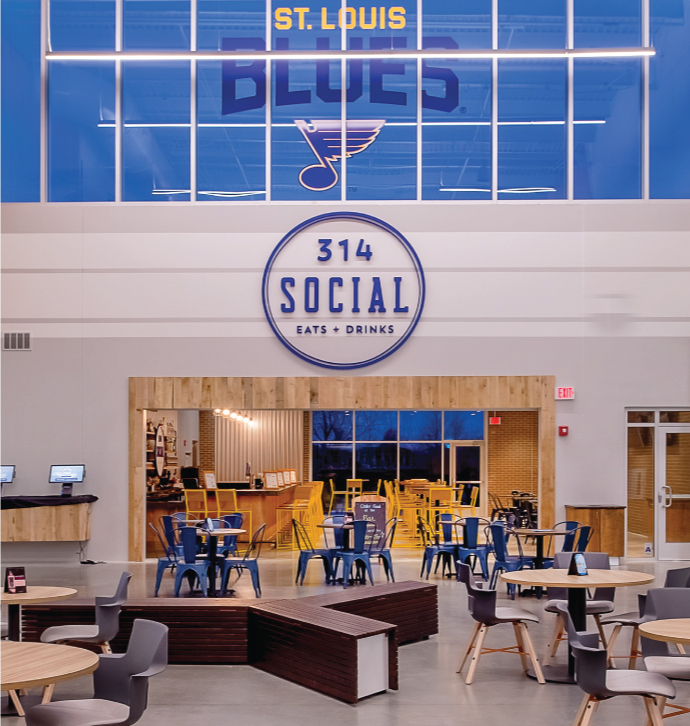
The impact of a sports complex extends far beyond its immediate users. Strategically designed facilities can transform communities, serving as catalysts for economic development and tourism. By creating a destination that attracts visitors and enhances local pride, these complexes stimulate surrounding businesses, from retail outlets to hospitality services.
These complexes not only serve as venues for sports and recreation but also as catalysts for community development, enriching the lives of residents and visitors alike. Well designed and constructed sports complexes can not only enrich community life but also position the facility as a central hub for social interaction and cultural exchange.